

Nothing will teach you self-love as much as learning how to respect yourself. It also sets the foundation for how other people will treat you.
“The most important form of respect is self-respect. It shows others how to treat themselves and teaches them how to treat you.”- Richelle E. Goodrich.
The first step towards realizing you deserve love, consideration, and opportunity like everyone else is to respect yourself. If you lack the ability or don’t know how to respect yourself, you’re in the right place to get that fixed.
I struggled with self-respect while growing up. My parents were critical of my low performance in school, and I often talked down to myself and lacked optimism about change.
I also frequently compared myself to my peers, which affected me in other aspects of my life. However, as I grew older, I knew I had to do better for myself because I realized that many people would only treat you the way you treat yourself.
So I decided to treat myself how I wanted others to treat me. This was how I discovered the concept of self-respect.
What Is Self-Respect?

Self-respect is a sense of self-worth and confidence in your abilities and worth. It results from upholding your principles and refusing to make concessions.
A self-respecting person can recognize their strengths and limitations and sees limitations as opportunities for growth rather than permanent indicators of failure. Self-respect does not imply arrogance, grandstanding, bragging, or pushing others around.
Even in disagreement, you can respect yourself and value what others believe. When you lack self-respect, you frequently participate in social comparison, which makes you feel inferior to others and downplays your accomplishments.
When you respect yourself, you embrace yourself and feel worthy of being a part of the world. Accepting and feeling a sense of self-belonging is crucial for psychological wellness since you are hardwired to crave connection and a sense of belonging.
How To Respect Yourself In 15 Ways

To develop self-respect, you need to focus on your successes, celebrate your progress, and take stock of how far you’ve come. The following includes tips on how to respect yourself:
1. Establish Boundaries
Boundaries should be established when you want to gain self-respect. It fosters physical and mental welfare that respects your needs and those of others. Avoid letting someone persuade you to do something you don’t feel like doing.
If there is any doubt as to whether a boundary is healthy, bear in mind that healthy borders will never attempt to exert control over another person. On the other hand, healthy boundaries acknowledge the needs of people around you while highlighting your own needs.
For example, if you are in a relationship and have experienced mental health struggles, you probably already know how important boundaries are. It’s crucial in a relationship that you and your partner are aware of the potential effects your mental health may have on the union.
When you establish boundaries for conversations that may cause someone to relieve traumatic events, you learn how to respect yourself in a relationship.
2. Specify Your Values

Values are a set of beliefs or opinions that influence how you live your life. They determine your priorities, and they are the indicators you use to see if your life is going in the right direction.
Understanding values is critical in some situations, such as deciding whether to make a concession or stick to your guns. Should you follow tradition or forge your path? Is this an essential experience in your life? Is this something you’re proud of?
You should ask yourself these questions when you find yourself in situations that could affect your self-respect. Because if you stay in this situation, you will lose your value and self-respect.
Such circumstances would typically teach you how to respect yourself enough to walk away. However, even if you fail to specify your value in a given situation, this does not mean you should stop trying to improve. Things and people change, and learning how to respect yourself will always be a work in progress.
3. Get Acquainted With Yourself
Knowing yourself is a form of self-respect that you must learn. It means changing how you think about yourself and being more focused on the positive things so you can learn to be comfortable with who you are.
Stop having recurring thoughts about what other people think. Getting this right will take time, but you must try. Stop yourself whenever you think about what people will say and be positive instead.
Instead, imagine how you will feel rather than bothering yourself over what someone would say. Will doing it make you happy? Then go ahead and do it. Of course, this isn’t easy to do all the time, but it is necessary if you want to learn how to get acquainted with yourself and respect yourself.
Your opinion is the only one that matters. So, the next time you want to do something, ask yourself if doing it will not alter the respect you have for yourself. If the answer is yes, then go for it.
4. Create Time For Self-Care
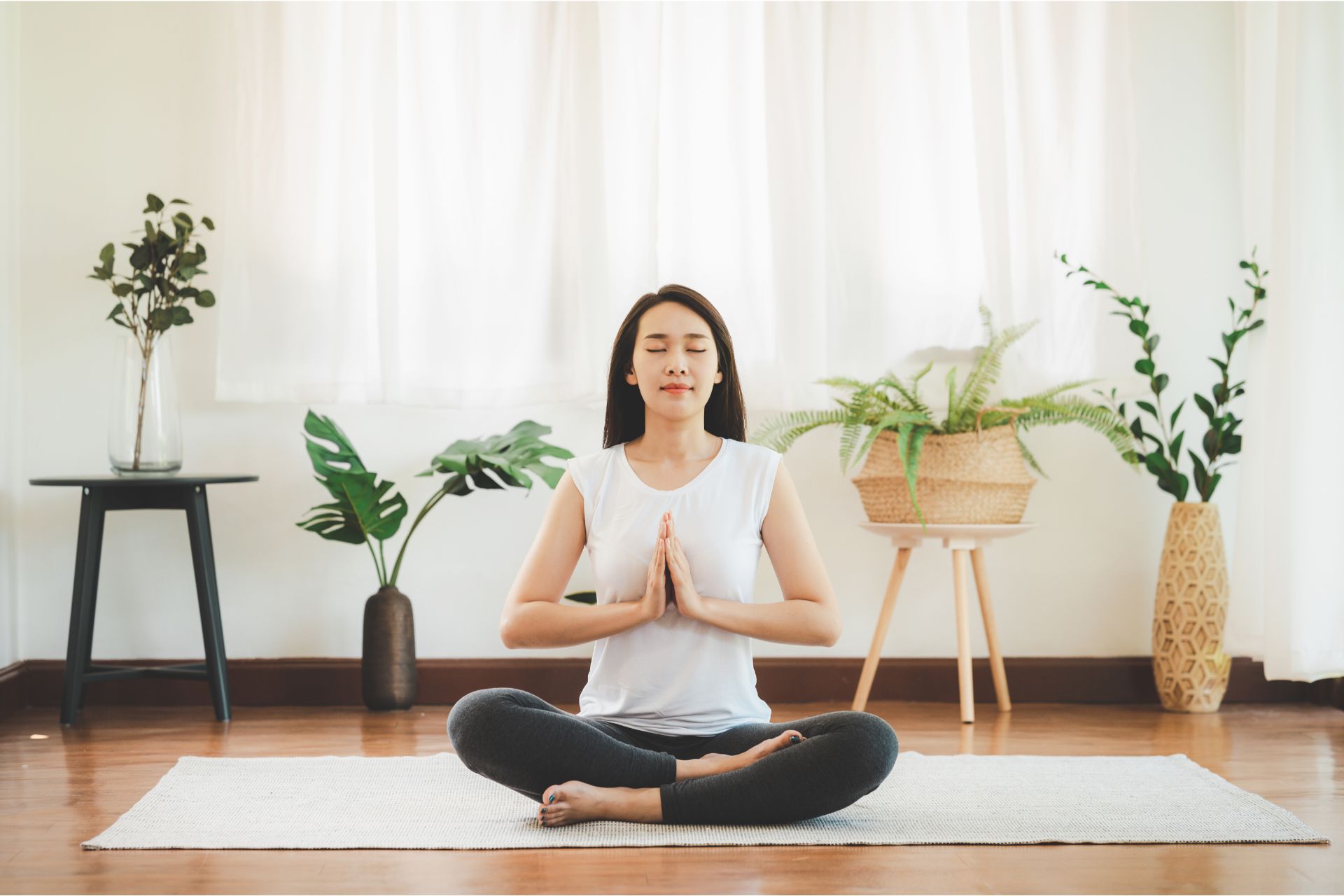
You can carve out time in your schedule for self-care. Add it to your calendar if necessary, or set an alarm clock, but whatever method you use, be realistic about making time for yourself. Because when you practice self-care regularly, you set a positive tone and gain a new level of respect for yourself.
The most important relationship you will ever have is the one you have with yourself. Engaging in a consistent self-care routine is one of the best ways to maintain a profound understanding of yourself, and it will teach you how to respect yourself.
It’s incredible to experiment with different activities and discover what makes you feel the most at ease and relaxed. This insight will permeate other aspects of your life, such as your relationships and general outlook on life.
Are you at a loss on where to start with self-care? Check out my 20 ideas for self-care routines that you can adopt every weekend here. You can also check out our ultimate self-care checklist to get started.
5. Stop Self-Comparison
Comparing yourself to others will hurt you and your respect for yourself. When you compare yourself to others, you may believe they have it all together and that you should.
You may view life as a competition and judge your worth based on what other people are good at, their looks, personalities, what they have, or what they’ve accomplished.
You may be too hard on yourself for not being like others and fail to recognize your distinctive qualities. It is disempowering to base your worth on the opinions of others. What others do is beyond your control, and you cannot change it.
You can, however, alter your perception of yourself. Stop comparing yourself to others and start building your self-esteem. Comparing yourself to others harms your self-respect, but you can learn to stop doing it.
When you stop comparing yourself, you can enjoy your own life by living in the present moment and learning how to respect yourself.
6. Practice How To Say No
When you learn to say no, you start appreciating and comprehending your interests and needs. For example, it is healthy to say NO when someone requests something that would drain you or your energy.
You might come out as impolite or selfish, but it is crucial to be able to say no, to maintain your self-respect. Saying no helps establish healthy boundaries and lets others know what they can expect from you.
In reality, if you’re participating in something others want, you’ll merely be their company and not wholly present in that activity. As a result, you’ll consider quitting or what you’d rather be doing in its place.
If that’s the case, either you’ll exhibit your forgetfulness, dissatisfaction, or displeasure, or you’ll hide it and put on a pleasant front. Saying no when it’s appropriate prioritizes your tastes and attitudes.
It teaches you how to respect yourself while allowing others to be who they are. When you don’t feel good about yourself, you start to care less about yourself. Consequently, one way to address this lack of self-respect is to practice saying no.
7. Regulate Your Feelings

Self-regulation refers to the capacity to manage your actions, feelings, and ideas while pursuing long-term objectives. Emotional self-regulation is the ability to restrain irrational feelings and impulses or deliberate before acting.
If you can’t control your emotional outbursts, you can’t learn how to respect yourself. You’re likely to exhaust yourself if you respond to every feeling you experience. The key to managing your emotions is to look after yourself.
Be kind to yourself. Don’t be too hard on yourself. If you treat yourself poorly, you cannot demonstrate self-respect. Emotions are transient; they ebb and flow all the time.
For example, most men would display their rage more visibly and violently than women. With regular meditation practice, you can learn to observe your emotions and how to respect yourself without succumbing to them.
When you give in to your feelings, you become disrespectful of yourself and perhaps to other people because you lose control of yourself.
8. Find A Role Model

It gives you much more confidence to know that other people have dealt with and overcome issues similar to yours. Their circumstance doesn’t need to be the same as yours.
Possibly a more successful person than yourself in their work or in how they show themselves will serve as the ideal role model.
However, they are also like you, and everything they stand for is within your grasp.
By acting this way, you are looking for someone who gives you just enough encouragement and motivation, assurance, and inspiration about what you can become.
Simply put, you’re seeking a person who is somewhat ahead of you but still like you. By choosing a role model who overcame obstacles, you will discover inspiration and determination to succeed in learning how to respect yourself.
Keep an eye out for people that are honest, loyal, and stand up for themselves. These are all characteristics of persons who respect themselves. The more you seek out role models to emulate, the better you’ll discern which behaviors to adopt to obtain greater respect from others and yourself.
9. Let Go Of Your Past
When you release the past, you start to make room in your life for you to grow and develop into the person you want to be. It will be difficult to forgive yourself if you don’t let go of your past experiences.
Make the room you require so your growth can fill it; when this happens, you make your life better suited to respecting yourself and allowing others to do the same. Accept who you are evolving into.
Change requires time and might be uncomfortable at times. Consult a mental health expert to help you identify your objectives and the course you wish to pursue in life. Do not be frightened to develop into your best self.
You have the power to achieve your goals and live the life you’ve always wanted. You can let go of older versions of yourself by letting go of your history. Growing personally and embracing a healthier, more efficient way of life can feel fantastic.
It is one of the most effective ways to learn how to respect yourself. You can get the best tips for letting go of your past to help you get started here.
10. Be Resolute

Speaking up for yourself, communicating your thoughts and feelings, and being able to refuse requests are all examples of being resolute. A strong sense of self-worth and general welfare depend on your ability to be determined.
Your needs might be overlooked if you prioritize the needs of others before your own. You can also be reluctant to advocate for yourself. You become fearful of what other people will do, what you’ll say, or how you’ll react.
You are more likely to be ignored, taken advantage of, or even bullied if you cannot be resolute or assertive. As a result, you lose respect, lowering your sense of worth.
A smart place to start is by altering your self-perception. It’s critical to understand that everyone, including you, is free to express their opinions and sentiments.
You are entitled to the freedom to choose and decide for yourself. It’s acceptable to refuse invitations occasionally and to be authentic. It takes patience and works to improve your assertiveness.
The effort you put into learning how to respect yourself is worthwhile.
11. Love Yourself

Self-love is respecting and caring for your desires and needs. It’s not about being egotistical. Making sure you create time for self-love is essential if you want the strength to love others.
Being kinder to yourself is crucial because you are often the harshest on yourself. Here’s a little tip to help:
Write 5 to 10 positive abilities or attributes about yourself on a heap of post-it notes. If you’re having problems coming up with a description of yourself, ask your family and friends to help.
Place each note in a prominent location in your house, such as the fridge, cabinet, bathroom mirror, or lamp, as a daily reminder of how amazing you are.
Repeating this process causes it to become ingrained in you, and before you realize it, you are on the road to learning how to love and respect yourself.
You can check out this article for nine ways to love yourself fiercely here.
12. Continually Improve

You must first embrace and understand that your journey of self-improvement and growth will never end if you truly want a prosperous life where you thrive and learn how to respect yourself.
Learning new things and getting rid of obstacles is a lifelong journey. Therefore, you must acknowledge that your quest to improve your life is ongoing.
You can confidently reach every goal you set if you use the method or process that the idea of continuous improvement offers.
It’s also crucial to assess and quantify your progress if you want to stay motivated and dedicated to the process.
13. Advocate For Yourself
You can tell you have self-respect if you stand up for yourself. Even if you haven’t been able to be assertive in the past, once you can, you’ll feel more confident.
This will make you feel more significant and contribute to a stronger sense of self-worth. You’re also more likely to get your demands met with less friction when you learn to express yourself confidently.
This is because they will see that you won’t take anything lying down, mainly if what you say is truthful and factual. As a result, people will appreciate you and what you say more.
14. Be Truthful To Yourself

Being authentic to yourself is crucial. Even if you are truthful with everyone else, you cannot be fair if you are not equally honest with yourself. Give your own opinion of yourself more weight than other people’s opinions.
You can explain to the rest of the world why you did what you did, but having self-respect might be challenging if you are not honest with yourself.
Being sincere with yourself will make you proud of who you are, even if you pretend to be something that other people expect you to be.
Without worrying about what others might think of you, you will portray your true self and learn how to maintain self-respect and dignity.
The particular reason for this is, ultimately, you can conceal your reality from the rest of the world but not from yourself. So if you want to respect yourself and want others to respect you, it’s critical to be authentic.
15. Maintain Your Optimism
Optimism does not imply seeing everything in a positive light. Being an optimist means not ignoring problems or pretending everything is perfect. Instead, you focus on what is positive about a situation and what you can do to improve it.
You become confident because you are well-prepared. You understand the importance of putting in the work if you want a successful outcome, and most importantly, you are learning how to respect yourself.
Here’s an illustration: Emma tries out for the volleyball team during her first year. She was not chosen in the end. While
she was disappointed; she is an optimist.
She believes: “There was a ton of potential at the tryouts, but there weren’t many spots available. That motivated her to practice hard and give my finest performance – it felt amazing!
The coach provided me with some excellent advice. I will put her advice into action while watching every game this season. I’ll be better off come next year if I do that.”
Emma is concentrated on the current circumstance rather than on her flaws in herself. She does not consider the state of being ongoing. She already has plans to ensure that she joins the team the following season.
A Simple Checklist On Self-Respect

In addition, the checklist for Maintaining Healthy Self-Respect includes the following:
1. You are aware of your strengths and are confident in your abilities.
2. You have a better idea of what you want to achieve in your life, business, and career.
3. You are aware of your flaws and how to overcome them.
4. You have strong morals that you uphold.
5. You make and keep appointments with yourself regularly.
6. You care about your appearance.
7. Your answers to “yes” and “no” are correct.
8. You expect others to respect you, and they usually do.
Conclusion
To sum up, everything that has been stated so far, spend some time in meditation to get rid of the garbage in your head that is holding you back from increasing your self-respect.
Everyone around you is fortunate to have you in this world because you are such a wonderful person. Do you now have faith in your ability to treat yourself with self-respect? You are capable of doing it!
Which of these self-respect advice recommendations did you find most useful? Leave a comment below with your thoughts.
Save this for later!

INSTAGRAM || FACEBOOK || TWITTER || PINTEREST || YOUTUBE || LINKEDIN