
Imagine walking into a crowded room, breaking the ice with total strangers, and walking away with solid connections that can change your life.
This is the power of social skills. Understanding why you need social skills is very important.
Whether it is about moving across the corporate ladder, making friends, or trying to contribute to someone, social skills act as magic weapons.
The value of social skills is important to create personal relationships. Social skills provide the necessary doors that even talent alone often cannot.
Some of the reasons why you need social skills is that it improves communication, builds stronger relationships and resolves conflicts effectively.
In this blog post, you will see why you need social skills and why they are the great connectors between potential and success that enables everyone to stand out personally and professionally.
Let’s begin!
1. It Improves Communication
One reason why you need social skills is that it improves communication. Strong social skills can very much improve the way you communicate. Communication isn’t just talking; it’s listening, understanding, and expressing in a way that impacts others.
A good social skill is the ability to express yourself to others in articulate forms of thought and feeling.
Whether communicating through conversation, body language, or variation in tone and pitch, effective communication guarantees that your message is heard and understood.
Such as when you engage in active listening, which is one of the crucial social skills; you make people feel importance. This way people are more likely to come clean, and trust you, and listen to what you have to say.
Such intense exchanges can be personal attachments, workplaces, or even social settings. Social skills can also assist you in managing tough conversations with ease.
Not reacting in anger but rather learning how to describe things softly and respectfully without confrontation and misunderstandings.
With improved communication, confidence comes with gradual development of social skills, which can be generally perfected by practice or learned professionally.
So, improving the way you interact opens avenues for more profound relations, teamwork, and comprehension of understanding what is in the minds of individuals around you.
2. It Builds Stronger Relationships

Social skills help in developing strong and meaningful relationships. It is a way to create relationships with others in communication or in the process of learning to understand them.
In fact, families, friends, co-workers, or even strangers will be able to relate well with each other by doing this. The most important fact about socialization is that it can fully establish trust and attachment.
It teaches how to articulate feelings and how to project empathy or active listening so that you feel seen or valued by the other person.
For example, remembering a person’s name, really caring about their “stories”, or providing comfort in times of need or stress strengthens social bonds.
Social skills also help manage the normal ups and downs with everyone. For example, to avoid hastiness during arguments, an understanding of others’ point of view will help you respond rationally.
Thus, mutual respect will be established and deepened with time. Good relationships are essential for a happy life, providing happiness, support, and belonging, which are important for emotional well-being.
You maintain these ties with social skills by establishing a culture of openness, honesty, and health in your continuing relationships. Naturally, relationships will become more resilient than ever if people enjoy being around you.
So, social skills give an avenue for nurturing relationships that would make a meaningful difference in your life as well as that of others.
3. It Resolves Conflicts Effectively
It is natural that conflict comes from life, but social skills are what help in healthy and productive resolution of disagreements.
It is through good social skills that you approach conflict calmly and respectfully without avoiding them or letting tensions build.
Learn how to listen to the other person’s point of view, share how you feel with them, and find a middle ground where all feel heard and understood.
Active listening is one of the important things in conflict resolution.
You create a level of trust, and the person then opens for honest conversations when you have heard them speak all the words they have to say without interrupting the speaker or judging.
Empathy too plays a major part with the understanding of feelings behind words; if you understand the feelings behind the words, you will react to the person with kindness, not by developing a defensive posture.
Social skills can help you to keep a tight rein on emotional flow to defray during the tense moments in life.
In fact, rather than jumping to accusation on impulse, people are educated to ask wise questions, work towards solutions, and target the root of the conflict.
This will help to avoid creating bigger problems from misunderstandings.
4. It Increases Confidence

Social skills are powerful confidence boosters at all levels: in self-esteem and social spheres. When you are able to communicate easily with people, understand the basics of different social situations, and build rapport, you feel comfortable in your skin.
There is nothing like the confidence that comes with knowing you can express yourself, whether it’s through group discussion, a formal meeting, or simply casual chat with friends.
Social skills, in fact, build your confidence to the extent of bringing down anxiety levels when you find yourself in foreign or difficult surroundings.
Active listening, meaningful eye contact, or giving your thoughts in an easy-going manner might make you feel more at ease when controlling the conversation.
Eventually, this will become a habit that allows you to engage socially without fear or hesitation. It teaches you how to own yourself. It is not about being perfect, but about being comfortable in your skin and equipping yourself to be all that your personality will allow.
You train the social muscles to equip you to face the world with boldness and authenticity. Self-assurance opens doors, angles relationships toward you, and immerses you in life through healthy lenses of bravery and hope.
5. It Enhances Emotional Intelligence
Social skills and emotional intelligence correlate very closely. Emotional intelligence refers to the ability of recognizing, understanding, and managing your own and other people’s emotions.
High social skills enable you to nourish and develop this ability through everyday practice, thus shaping you into an aware and empathetic person. Reading non-verbal cues, understanding what sparks certain emotions, and behaving appropriately create healthier and more meaningful connections.
Emotional intelligence is essential for managing demanding circumstances gracefully. Instead of instantly reacting to criticism, you conform to a state of mind for evaluating the situation and responding constructively to improve the potential for an outcome.
By controlling your emotions, you prevent misunderstandings and build trust. Being aware of the emotions of others also enables you to comfort, encourage, or simply listen to others, thereby deepening the quality of interpersonal relationships both at work and at home.
Boosting emotional intelligence would also add to the benefits of mental wellness. When you know how you feel and why, you’ll more easily manage challenges and stress healthily.
Social skills become bridges for you to connect to your own emotions and those of others.
Thus, enhancing emotional intelligence will ensure that you become a better communicator and a better listener, and help you in becoming a better leader.
6. It Boosts Career Success

Everybody knows that social skills play a huge role in getting ahead in your career.
Whether in an office, or just out in the field doing your work, social skills make a person communicate well, collaborate with those around him or her, and adapt yourself to new environments.
These are great qualities for a potential team member and team leader. For an organization where all the things require teamwork, problem solving, and adaptability.
At the heart of any career success is effective communication.
However good your ideas are about a client’s presentation, leading a team meeting, or even negotiating with a colleague, you have to express your thoughts clearly and listen actively, because that’s all it takes to facilitate the link between mind and mouth.
Employers view people adept at developing positive relationships, conflict resolution, and keeping a team motivated toward shared goals.
Apart from this, social skills assist you in developing a proper professional image. If you respect and show empathy to your co-workers, clients, and supervisors, you earn trust and credibility.
People will recommend, promote, or work with someone with an effective-interaction capability and graceful handling of challenges.
Social skills give the person that competitive edge to navigate the workplace dynamics, making him shine everywhere as a leader, seizing all the opportunities that will help him grow.
These enhancements in interpersonal skills are known to open pathways to promotions, better projects and ultimately higher career growth.
7. It Fosters Networking Opportunities
Networking allows and helps to create better personal and professional growth through social skills.
The capability to move to people and to further reach into starting good conversations and building meaningful relationships often leads to opening up other doors of opportunities that would be otherwise impossible to find.
Social skills at a conference, meeting someone new, or engaging on social platforms help leave a positive impression and a reminder.
Good networking begins with active listening, showing a person’s interest and engaging in deep conversation. People appreciate the presence of others and that borrowed light from someone else therefore helps in building trust.
However, there must be social skills to ask the right questions, bring up valuable insights to serve as bridges to the flow of the discussion, making it easier for people to get conversed with.
Apart from the professional networking benefits, it can also broaden the horizon of your world. Traveling, as they say, exposes you to new ideas, cooperation, and inspirations.
For instance, a friendly conversation with complete strangers might likely lead to mentoring, jobs, or business partnerships in the future.
A quick follow-up message, a nice thank-you note, or even just keeping in touch within a defined period does make people feel valued, and, subsequently, the bond strengthens.
In a world where many opportunities come through people, strong social skills will enable you to create a network that will support you in your growth and success.
Connecting with authenticity creates the kinds of pathways through which new relationships, knowledge, and possibilities come through.
8. It Strengthens Leadership Skills

Strong social skills are the cornerstones of effective leadership. A good leader does not direct but inspires, communicates, and connects with others on a deeper level.
Social skills enable leaders to motivate their teams, handle challenges, and guide people toward a shared vision with confidence and empathy.
Effective communication is one of the vital leadership traits; it is made possible through social skills. Whether talking about a clear message, giving constructive feedback, or addressing concerns, the way you interact determines the way your team responds.
Leaders know how to listen actively, build a kind of trust, and make their team members feel valued. This contributes much to creating a positive workplace culture in which people feel inspired to do their best endeavours.
The other vital social ability is empathy, which mostly gives a leader grounds to understand the hardship, emotions, and needs that form part of a team.
Realization of what motivates or supports an individual when facing a setback not only helps the individual who needs it but also builds stronger and more loyal teams.
The social-skilled leaders are also good at conflict resolution, mediation of differences, and encouraging cooperation between diverse personalities at work.
Strong leadership indeed thrives on influence, understanding, and connection, all of which work wonders with strong social skills.
9. It Improves Teamwork
Teamwork forms the basis of any successful group effort, though with personal qualities, the social skills make it possible to work with other individuals.
People with high social skills communicate better, openly share ideas, and listen to each other more respectfully.
All these things contribute to the creation of an environment of trust and collaborative effort, which develops the feeling that everyone is a contributor.
On the other hand, good teamwork starts when good open communication is among the workers themselves.
Social skills can help you express thoughts, concerns, or suggestions. You are able to understand and create better interactions beyond just their surface values.
Active listening complements this, because the listener hears the other person and gives the impression that he is listening, which generates respect for their opinions and a voice to everyone involved.
10. It Promotes Mental Well-Being

Social skills contribute significantly to mental wellness preservation and enhancement. As humans are social by nature, so are their conversions with the other individuals to involve emotional support, and belongingness in addition to reducing isolation.
Social skills can develop strong interpersonal relationships and directly and positively affect your mental well-being. Speaking fluently makes it much easier to tell people what is bothering you so that they can help.
Attempt sharing some of those emotions through a conversation with a trusted friend or relative.
Usually, you will find that this makes it much clearer to you as it becomes easier for someone else to help you sort through your thoughts. Along with this, they are good at giving emotional armour against what life throws at you.
Empathy and active listening build up mutual respect and trust in your relationships so that stress is usually caused by those things outside your circle of loved ones.
Social interactions promote laughter, happiness, and bonding, which in turn release hormones such as oxytocin that lower stress levels and improve moods.
By improving your social skills, you are improving your mental health, reinforcing your support system while allowing you to have a healthy mindset for those highs and lows of life.
11. It Helps You Adapt To Change
Adapting to changes in your life, profession, or in personal relationships with other people will generally require a lot of strong social skills.
We all know and agree that change is always there, but how we react to it determines our failure or success and our well-being.
Some such social skills may include communication, empathy, and problem-solving. All these make changes look flexible and confident, rather than fearful and resistant.
First and foremost, effective communication can be done through knowing what things concern you about a change or asking questions.
Talking through uncertainties and fear with another can really help to flesh out a situation and give that feeling of being connected to other people.
Another important thing to note is that social skills facilitate a growth mindset, which allows you to view a change as an opportunity instead of a threat.
Through communication, active listening, and emotional intelligence, unknown terrains can be traversed with resilience.
Adaptability helps through life, and social skills will arm you with the tools to confront change confidently and brightly.
12. It Helps You Actualize Your Talent
Social skills are the catalyst through which you manifest and present your abilities, talents, and skills to the outside world.
Just think how lots of talents could be hidden away due to having no wherewithal to share, talk to, or connect with another person about them.
It is this broader reflexivity that links your skills and abilities into the actual “outcome”.
It provides the parameters for having ideas presented confidently, collaborating effectively, and developing any relationship that can shoot your talent to the next level.
Whether you’re an artist or engineer, creating connections or networking might just open doors to opportunities that you never thought were possible.
Constructive use and distribution of social skills indicates the process by which you receive constructive feedback.
That process guides the individual to engage with those mentors, peers, and colleagues who will give insights on how you can improve your skills and learning.
The above mentioned process is very vital for making a potential gift turn into excellence.
It enables you to broaden networks of social contact with people who contribute to making new doors possible, if it is for business opportunities, securing a job, or establishing a business, through partnerships or mentorships.
Talent is not enough for success; it is primarily based on the ability to convey messages, work with others, and connect with people.
Improving your social skills will certainly make talent visible.
Why Do We Need Social Skills?
Social skills are the pillars of effectiveness in human communication, which is nearly essential in all aspects of life as they give you the ability to create relationships with people as well as to see their point of view.
The other side is that without social skills, misunderstandings are common, conflicts arise, and opportunities are mostly lost. Not only that, but social skills are also important for emotional intelligence.
These help manage emotions, involve understanding others, and respond to situations normally. Such abilities make you work towards resolving conflicts and building resiliency. Social skills really are the most valuable assets today.
Whether you are going to meet someone on the other side of the negotiation table, attempting to get the confidence of a new acquaintance, or making inroads into a new circle of friends, social skills will really give you that edge.
Simple navigation through the human-being-behaviours is made easier, forming a supportive community around an individual and enabling a successful strategy for achieving goals.
Why Is Being Social A Good Skill?

To be social is not just knowing how to talk; it is a life skill that empowers you to navigate various situations at ease.
Humans are inherently social creatures, and interaction with others almost directly determines how successful an individual is in life either personally or professionally.
Social skills enable you to build relationships, get input from others while solving a problem, and generally create a positive space wherever you are.
Being social helps you get through the ups and downs of life: negotiation at the workplace, conflict resolution, and socializing with friends; all with added confidence and adaptability in your social skills.
It enables you to formulate a clear opinion, active listening, and better understanding at the end, making your communication more meaningful.
Why Are Social Skills Required For Human Beings In A Communication Process?
Effective communication is the real crux of human interaction, and social skills are the mechanical means of achieving it all. Without such tools, even the most crucial messages are misunderstood or lost.
They help you to be articulate in thought, an active listener, and a person who understands nonverbal cues, such as body language and even tone of voice.
These skills prove to be indispensable in environments that encourage teamwork as it is not optimal to work alone.
Someone having social skills will be able to persuade well and create space for the other’s viewpoint, resulting in better innovations with problem-solving.
They can also create a situation that is constructive in dealing with conflicts, making discussions credible and able to keep the relationships intact.
What Are The Impacts Of Social Skills?
Social skills affect the way you live your life. They include the cultivation of your friendships, your professional success, and emotional wellness, and in many cases, they determine how well you can grab the opportunities.
Good social skills can create an intense network for yourself such that a person can have strong ties with friends, acquaintances, and the community.
Eventually, all these networks can provide the golden chances of opportunities that would have otherwise gone out of reach.
In the workforce, social skills increase collective teamwork, leadership, and cooperation. Social skills also make it very easy for other people to approach you easily so that you can work with other individuals well and manoeuvre critical situations with ease.
Such employees are usually regarded as good workers and estimable at the workplace. Hence, most employees with good social skills earn advancements in their careers and are rewarded through promotions.
Social skills contribute to emotional intelligence outside of the work setting. Emotional intelligence is the tool that people use to manage relationships and mental health.
Knowing and putting yourself in the shoes of another person lessens misunderstandings and creates peace.
Why Are Social Skills Important For The Future?
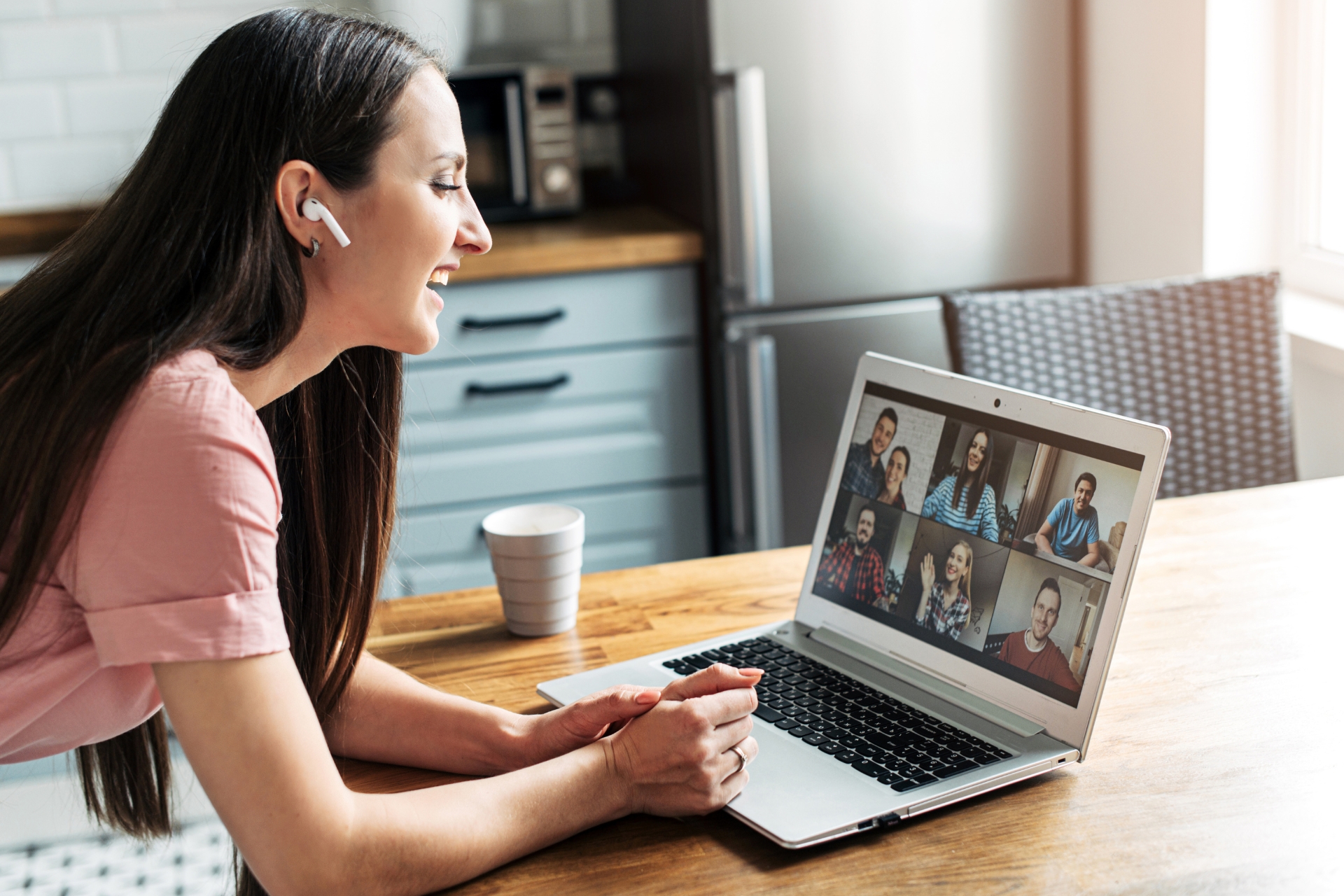
Today, more than ever, in an emerging multi-faceted and globalized digital society, interpersonal communication or social skills rise to the top on the importance horizon of skills.
As technology becomes more advanced, the work that can be automated is also on the increase; however, the aspect of being connected socially with others remains exclusively human.
These capabilities are what keep you able to adapt to the changes, develop strong relationships, and flourish in fluctuating situations.
The future workplaces will require any kind of adaptability of individuals who also know how to work in teams, communicate effectively, and address conflicts constructively.
This is among the recruitment practices because employers always project social skills driving new innovations, enhancing productivity, and creating positive work cultures.
Your ability to interact with your colleagues, clients, and other stakeholders is as critical, as, or sometimes more so than, technical skills for an effective long-term result.
Conclusion
In conclusion, solid relationships, professional success, and personal happiness are important qualities built on social skills.
Social skills make it possible to communicate, connect, and adapt to life well. In this world of social networking, social skills training isn’t just an option, It is very important.
Begin developing them today and watch the changes that come into your life for the better.
Save this for later!