

Imagine a world where everyone understands each other’s feelings and perspectives. In today’s fast-paced world, empathy acts as a vital compass guiding our interactions and decisions, shaping healthier relationships and communities.
So, why is empathy important? Empathy is needed for fostering meaningful relationships. When we step into someone else’s shoes, we bridge divides and build trust.
It allows us to navigate conflicts with understanding rather than hostility, creating harmony in personal and professional settings.
In workplaces, empathetic leaders inspire loyalty and productivity, cultivating a positive environment where everyone feels valued and understood.
Curious to delve deeper into why empathy is more than just a word? Join us as we explore and unlock the keys to building a more empathetic and connected society.

Why Is Empathy Important? – 12 Reasons
Empathy is the ability to step outside your own shoes and see the world through another’s eyes. It’s the key to genuine connection, but it also offers surprising benefits for our own well-being.
So, why should we cultivate empathy? Read on to discover the power of this essential human skill.
1. It Builds Stronger Relationships
So, what is the value of empathy? It’s the magic ingredient that strengthens the bonds between people, making relationships more meaningful and strong.
When we empathize, we step into the shoes of others, feeling what they feel and understanding their perspective. This deepens connections and fosters trust, laying the foundation for stronger relationships.
Empathy cultivates understanding and compassion. By truly listening and acknowledging someone else’s emotions, we show that we care. This validation creates a safe space for open communication, where both parties feel heard and respected.
Whether in friendships, romantic relationships, or professional settings, this emotional connection forms the backbone of trust and intimacy.
Moreover, empathy paves the way for effective conflict resolution. When disagreements arise, empathetic people seek to understand the root of the issue and consider the feelings of all parties involved.
Instead of escalating conflicts, they approach them with empathy and a willingness to find common ground. This leads to more constructive discussions and mutually satisfactory solutions, strengthening relationships in the process.
In essence, why is empathy important? It’s the glue that binds us together, fostering deeper connections and building stronger relationships.
By practicing empathy in our daily interactions, we create a more compassionate and supportive world where everyone feels valued and understood.
So, next time you find yourself wondering about the value of empathy, remember its profound impact on nurturing relationships and shaping positive interactions.
2. It Enhances Communication Skills

But why should humans have empathy? Humans should have empathy because it’s the secret weapon of effective communication. Imagine you’re trying to explain a difficult concept to a friend.
With empathy, you can see things from their perspective. You can gauge their level of understanding and adjust your explanation accordingly. This might mean using simpler language, offering examples, or even drawing a quick diagram.
Empathy allows you to tailor your communication to bridge the gap between your thoughts and theirs. Why is empathy important in communication? It goes beyond just getting your point across.
Empathy fosters a sense of connection with the listener. When you try to understand their perspective, they feel valued and respected.
This creates a safe space for open communication, where both parties feel comfortable expressing themselves freely. Without empathy, communication can easily turn into a one-sided lecture or a frustrating misunderstanding.
Think about a conversation where someone talks over you or dismisses your feelings. It shuts down communication and leaves you feeling unheard. Empathy, on the other hand, allows you to actively listen and respond thoughtfully.
You can acknowledge the other person’s feelings and build upon them, creating a more productive and enjoyable conversation for everyone involved.
So, hone your empathy skills – it’s the key to unlocking deeper connections and fostering meaningful communication in all aspects of your life.
3. It Fosters Mutual Understanding
Empathy plays a vital role in fostering mutual understanding among people by allowing us to connect on a deeper level with others.
When we practice empathy, we actively listen to and acknowledge the thoughts, feelings, and perspectives of those around us, creating a foundation for meaningful communication and connection.
By genuinely putting ourselves in someone else’s shoes, we can better grasp their emotions and experiences, leading to a heightened sense of understanding and compassion.
Empathy enables us to view situations from different angles and appreciate the diversity of thoughts and feelings that exist within our communities. Moreover, empathy promotes a culture of respect and empathy fosters mutual understanding.
When we approach interactions with empathy, we demonstrate a willingness to validate others’ experiences and emotions, creating a safe space for open dialogue and collaboration.
Through empathetic communication, we can bridge gaps in understanding, build stronger relationships, and cultivate a more inclusive and harmonious society.
So, why is empathy important? Empathy is important because it serves as a powerful tool for building connections and fostering mutual understanding among people.
By embracing empathy in our interactions, we can cultivate a culture of compassion, respect, and empathy that nurtures understanding and unity within our communities.
4. It Promotes Cooperation And Teamwork
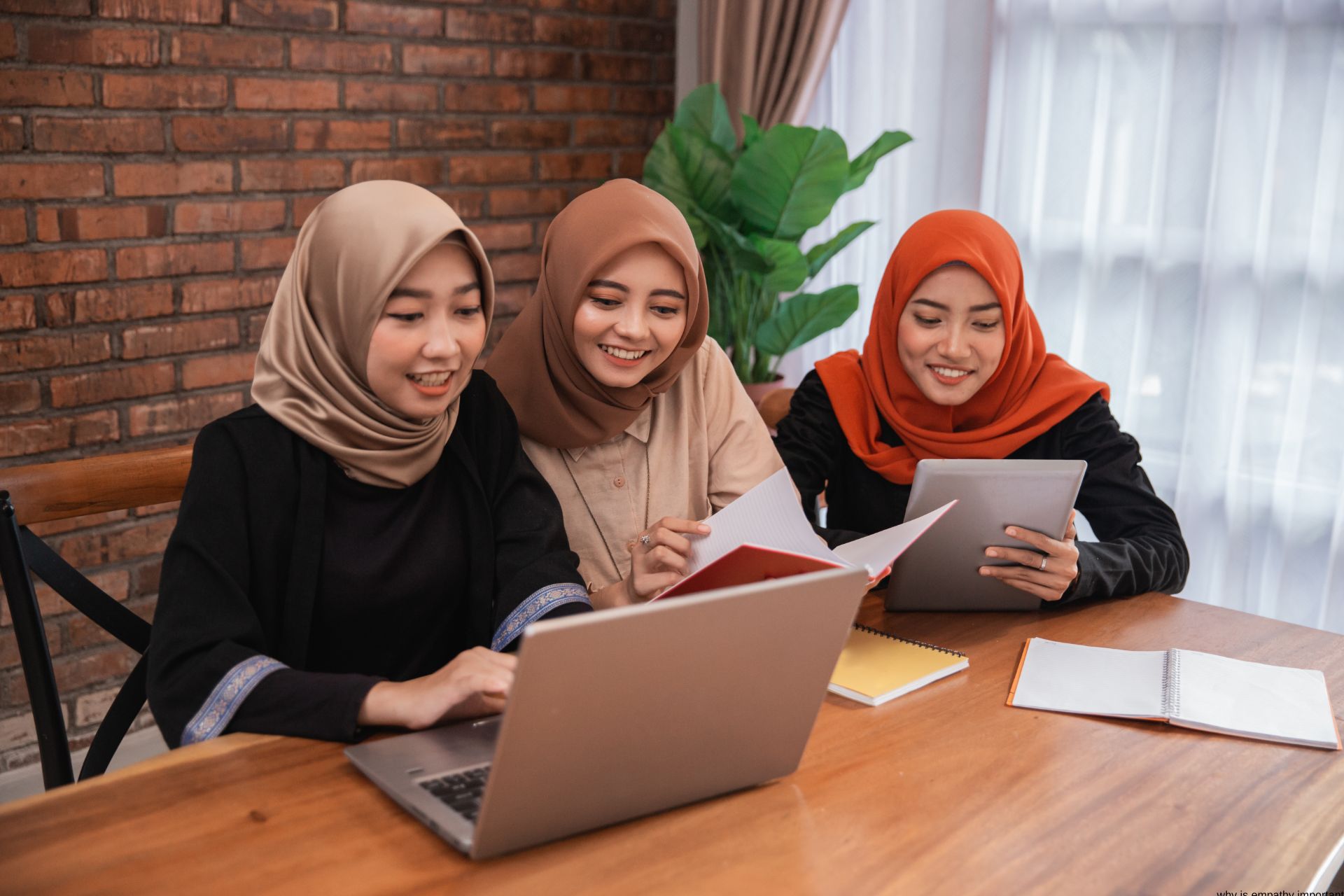
Why is empathy important? Because it’s the secret sauce for successful teamwork and cooperation. When people empathize with each other, they understand each other’s perspectives and emotions, paving the way for effective collaboration.
Empathy promotes a culture of understanding and mutual support within teams. By recognizing and validating each other’s feelings, team members build trust and camaraderie.
This creates a positive environment where everyone feels valued and motivated to contribute their best. Moreover, empathy enhances communication and problem-solving skills.
When team members empathize with each other, they communicate more openly and honestly, sharing ideas and feedback constructively. This fosters a culture of creativity and innovation, where diverse viewpoints are welcomed and respected.
Empathy also plays a crucial role in conflict resolution within teams. Instead of escalating conflicts, empathetic people seek to understand the underlying issues and address them collaboratively.
This leads to more constructive discussions and solutions that benefit the entire team. In essence, empathy is the key to unlocking the full potential of teamwork.
By fostering understanding, trust, and communication, empathy creates a supportive environment where teams can thrive and achieve their goals together.
5. It Reduces Conflicts And Misunderstandings

Empathy acts as a powerful shield against conflict and misunderstanding. Imagine you’re having a disagreement with a friend. You both feel strongly about your viewpoints, but neither of you is truly listening to the other.
This is a recipe for a fight. Empathy allows you to step outside your own perspective and see things from your friend’s point of view.
This shift in perspective is crucial. By understanding where your friend is coming from, their arguments might not seem so unreasonable. You can see their experiences and emotions that color their viewpoint.
This doesn’t mean you have to agree with them, but it allows for a more civil conversation. Empathy equips you to communicate effectively during disagreements. You can acknowledge their feelings and concerns, even if you disagree.
This simple act validates their perspective and creates a space for open communication. It fosters a sense of respect and understanding, which can often be the missing piece in resolving a conflict.
So, why is empathy important? Well, without empathy, disagreements can quickly escalate. Each person feels unheard and digs in their heels, making compromise nearly impossible.
Empathy acts as a bridge, allowing you to see the other person’s point of view and navigate the situation with respect and understanding. This paves the way for finding common ground and resolving conflicts peacefully.
6. It Increases Emotional Intelligence
Empathy is a key component in enhancing emotional intelligence by allowing people to understand and manage their own emotions, as well as recognize and respond to the emotions of others.
When we practice empathy, we develop a heightened awareness of our own feelings and those of those around us, leading to improved emotional intelligence.
By empathizing with others, we become more attuned to their emotional cues and are better equipped to respond with sensitivity and understanding.
This ability to empathize not only strengthens our interpersonal relationships but also enhances our ability to navigate complex social situations with empathy, empathy increases emotional intelligence.
Furthermore, empathy encourages us to practice active listening and perspective-taking, essential skills that contribute to emotional intelligence.
By empathetically engaging with others, we learn to communicate effectively, resolve conflicts peacefully, and build trust and rapport with empathy, increasing emotional intelligence.
So, if you are wondering, “Why is empathy important?”, know that it enhances your emotional intelligence, leading to greater personal growth, improved communication, and stronger connections with others.
7. It Helps In Resolving Conflicts Peacefully

You may ask, “Why is empathy important?” It is important because it is the cornerstone of peaceful conflict resolution, allowing people to understand and address differences with compassion and understanding.
When conflicts arise, empathy empowers people to navigate challenging situations calmly and constructively. Empathy enables people to see things from the perspective of others involved in the conflict.
By acknowledging and validating their emotions, empathy lays the groundwork for meaningful dialogue and resolution. When people feel heard and understood, tensions often dissipate, creating space for compromise and reconciliation.
Moreover, empathy promotes effective communication during conflict resolution. Instead of resorting to blame or hostility, empathetic people engage in active listening and seek to understand the underlying needs and concerns of all parties involved.
This fosters a sense of mutual respect and trust, essential for finding mutually acceptable solutions. Empathy also encourages forgiveness and reconciliation.
When people empathize with each other’s experiences and emotions, they are more inclined to let go of grudges and resentments, paving the way for healing and reconciliation.
This creates opportunities for rebuilding trust and strengthening relationships in the aftermath of conflict.
8. It Encourages Perspective-taking
Empathy is the key that unlocks the ability to see the world through another’s eyes, a skill called perspective-taking. Imagine judging a stranger for rushing through the airport, muttering under their breath.
With empathy, you might pause and consider their situation. Perhaps they’re catching a life-or-death flight, or maybe they’re a new parent dealing with a fussy baby.
Empathy allows you to step outside your own experience and understand the world from another’s viewpoint. This perspective-taking is crucial for navigating complex social situations.
It allows you to understand why people behave the way they do. Maybe your colleague seems stressed and short-tempered. With empathy, you might realize they’re facing a difficult deadline and offer your help.
This understanding fosters kindness and compassion, building stronger relationships. Perspective-taking also helps us avoid making assumptions. Without empathy, we might judge a friend who cancels plans at the last minute, assuming they’re unreliable.
But empathy allows us to consider their reasons. Maybe they have a sudden emergency or simply need some alone time. Understanding their perspective prevents unnecessary conflict and strengthens the friendship.
Empathy allows us to see the world in a richer, more nuanced way. It fosters kindness, strengthens relationships, and helps us avoid misunderstandings.
By stepping outside our own bubble and considering another’s perspective, we gain a deeper understanding of the world around us, making empathy an essential skill for navigating life’s complexities.
9. It Supports Effective Leadership
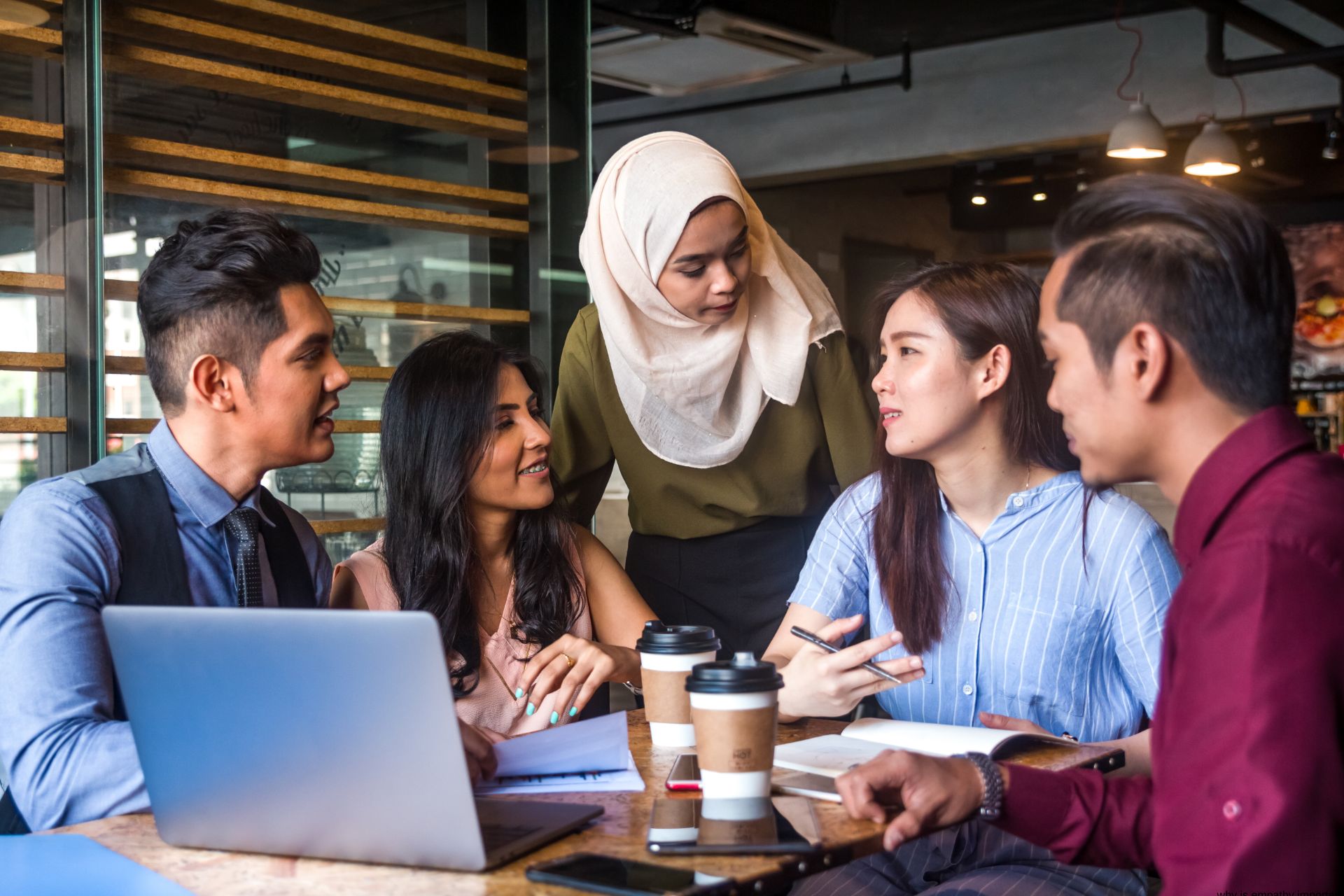
Empathy is a fundamental trait that supports effective leadership by fostering trust, understanding, and collaboration among team members.
A leader who demonstrates empathy shows that they care about the well-being and feelings of their employees, creating a positive and supportive work environment.
Empathy allows leaders to connect with their team on a deeper level, enabling them to better understand their perspectives, motivations, and challenges.
By showing empathy, leaders can build stronger relationships with their team members, leading to increased loyalty, morale, and productivity. So, why is empathy important indecision-making in leadership roles?
Leaders who practice empathy can see situations from multiple viewpoints, leading to more informed and compassionate decision-making.
By considering the feelings and perspectives of others, leaders can create solutions that benefit everyone involved.
In essence, empathy is a cornerstone of effective leadership, empowering leaders to inspire, motivate, and guide their team with compassion and understanding.
By cultivating empathy in their leadership style, people can create a positive and inclusive work environment where team members feel valued, supported, and empowered to succeed.
10. It Cultivates Compassion And Kindness

Why is empathy important in life? Because it’s the seed from which compassion and kindness bloom. When we empathize with others, we understand their feelings and experiences, which naturally leads to acts of compassion and kindness.
Empathy fosters a deeper connection with others by allowing us to put ourselves in their shoes. When we recognize and validate someone else’s emotions, we’re more inclined to respond with compassion and kindness.
This can be as simple as offering a listening ear or lending a helping hand to someone in need. Moreover, empathy nurtures a sense of common humanity.
When we empathize with others, we realize that we’re all interconnected and share similar emotions and experiences. This realization naturally sparks feelings of compassion and kindness towards others, as we understand that their well-being is intertwined with our own.
Empathy also promotes a ripple effect of kindness. When we show empathy towards others, it inspires them to do the same, creating a cycle of compassion and kindness that spreads throughout our communities and beyond.
In essence, empathy is the catalyst for cultivating compassion and kindness in the world. By recognizing and understanding the emotions of others, we create a more empathetic and caring society where acts of kindness and compassion are the norm.
11. It Improves Mental Well-being

Empathy is not just about understanding others; it’s a key ingredient for our own mental well-being. Imagine feeling isolated and alone, like nobody understands what you’re going through.
This disconnection can take a toll on your mental health. Empathy, however, fosters a sense of connection, reducing loneliness and boosting your overall well-being.
When you connect with others on an empathetic level, you feel seen and understood. Sharing your struggles with someone who truly tries to understand your perspective can be incredibly validating.
It allows you to release pent-up emotions and feel less alone in your challenges. This sense of connection combats feelings of isolation and loneliness, which are major contributors to anxiety and depression.
Empathy also reduces stress. Imagine being constantly frustrated by people who seem inconsiderate. This constant negativity takes a toll on your mental state.
Empathy allows you to see situations from different viewpoints, fostering compassion and understanding. You might realize someone’s rude behavior stems from their own stress, not a personal attack.
This shift in perspective reduces negativity and allows you to react with calmness rather than anger, lowering your overall stress levels. Furthermore, empathy encourages helping others.
When you connect with someone’s struggles, you’re more likely to offer support. Helping others not only benefits them but also boosts your own well-being.
Acts of kindness trigger the release of feel-good chemicals in your brain, creating a positive feedback loop that elevates your mood and combats negativity.
So, empathy isn’t just about being a good friend; it’s about nurturing your own mental health.
By fostering connection, reducing stress, and encouraging kindness, empathy equips you with the tools to navigate life’s challenges and build a more positive and fulfilling existence.
12. It Contributes To A More Inclusive Society

Empathy plays a crucial role in fostering a more inclusive society by promoting understanding, acceptance, and respect for people from diverse backgrounds.
When people practice empathy, they are better able to appreciate the unique experiences and perspectives of others, leading to increased tolerance and inclusivity.
By empathizing with others, people can develop a sense of compassion and empathy towards those who may be different from them.
This empathetic approach helps to break down barriers and prejudices, creating a more welcoming and inclusive environment for all members of society.
Empathy also encourages people to actively listen and engage with people from different backgrounds, fostering meaningful connections and building bridges across cultural divides.
Through empathy, people can overcome biases and stereotypes, leading to increased awareness and appreciation of the rich tapestry of human diversity.
Empathy is a powerful force for building a more inclusive society where all people feel valued and respected.
By promoting empathy in interactions and relationships, we can create a culture of understanding, compassion, and unity that celebrates the diversity of humanity.
Embracing empathy is essential in creating a society where everyone is recognized, accepted, and included.
Why Is Empathy Important In Society?

So, why is empathy important in society? Empathy is important in society because it helps us understand each other better. When we can see things from someone else’s perspective and feel what they feel, it builds stronger connections between people.
This understanding leads to kindness, cooperation, and support for one another. Empathy also helps us navigate conflicts peacefully. Instead of fighting or arguing, we can resolve differences by listening and understanding each other’s feelings.
This creates harmony and builds trust within communities. Moreover, empathy fosters inclusivity and acceptance.
When we empathize with people who are different from us, whether in race, religion, or background, we create a more welcoming and tolerant society where everyone feels valued and respected.
Why Is Empathy The Most Important Quality?
You may be wondering, “Why is empathy the most important quality?” Empathy might not be the flashiest quality, but it’s arguably the most important. It’s the bridge between you and the world around you.
Imagine living in a world where everyone acted only in their self-interest, blind to the thoughts and feelings of others. It would be a cold and lonely place. Empathy allows us to connect with others on a deeper level.
By stepping outside our own shoes and seeing the world through their eyes, we build trust, compassion, and understanding. This isn’t just about feeling sorry for someone. It’s about truly understanding their perspective.
With empathy, we can navigate disagreements with respect, even if we don’t see eye-to-eye. It fosters kindness and helps us connect with those who might seem different from us.
In a world full of division, empathy is the key to building bridges and creating a more harmonious society. Furthermore, empathy benefits us personally.
It allows us to better understand the social cues and emotions of others, improving our communication skills. It also reduces stress by fostering compassion and understanding.
By helping others, which empathy often motivates us to do, we experience a boost in our own well-being. So, while empathy might seem simple, it unlocks a world of connection, understanding, and a more positive way of living.
Conclusion
The importance of empathy cannot be overstated. It serves as a cornerstone for fostering stronger relationships, enhancing emotional intelligence, supporting effective leadership, and promoting a more inclusive society.
By practicing empathy in our interactions with others, we cultivate understanding, compassion, and respect, ultimately creating a more connected and harmonious world.
Embracing empathy allows us to bridge divides, navigate conflicts, and build meaningful connections that enrich our personal and professional lives.
Let empathy guide our actions and decisions, leading us towards a brighter future where empathy is valued and celebrated as a powerful force for positive change.
Save this for later!

INSTAGRAM || FACEBOOK || TWITTER || PINTEREST || YOUTUBE || LINKEDIN