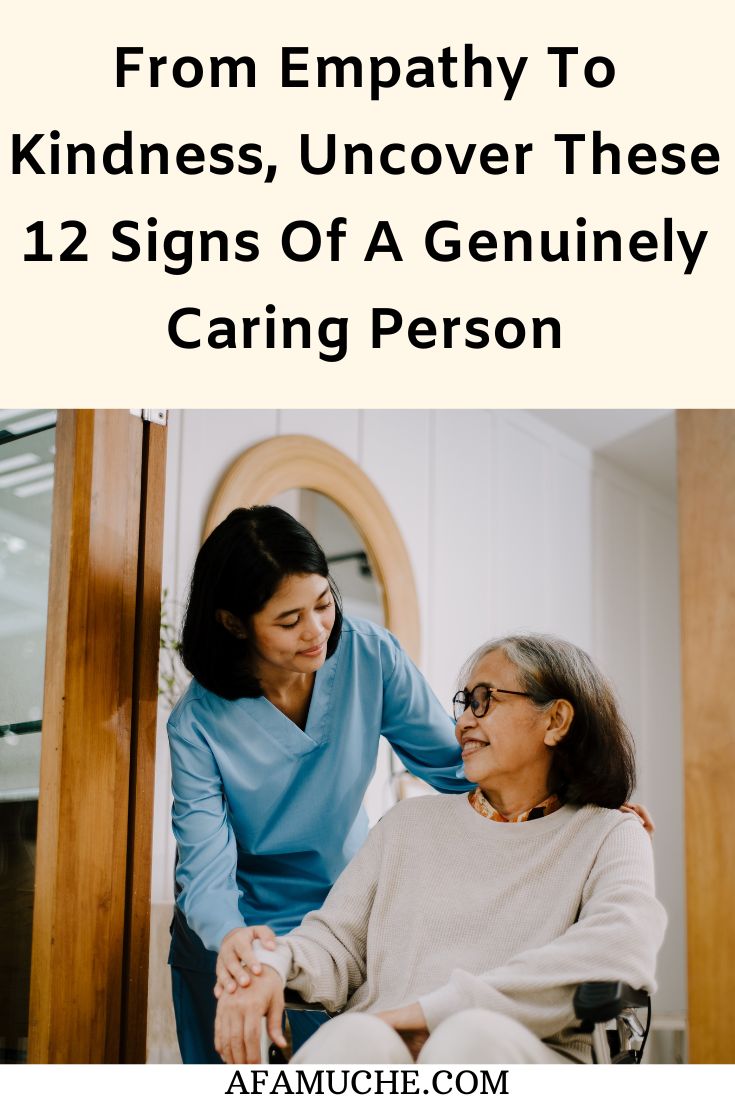

Having a caring person in your life provides you with invaluable emotional support, making you feel cherished and understood.
During difficult moments, their support and helpful advice can greatly increase your motivation and optimism. Do you recognize the caring people you have in your circle? If not, then you must learn to spot the signs of a caring person.
A caring person shows concern through consistent acts of kindness and empathy. They offer physical and emotional support, listen attentively, and show generosity, patience, and a non-judgmental attitude.
They are also kind, trustworthy, and forgiving. They create a secure and encouraging atmosphere, which ensures meaningful and genuine connections.
We’ll look into what it means to be caring, and reveal the characteristics and behaviours that set those who adopt this quality apart from the others. We’ll also cover the benefits, drawbacks, and dangers of caring, and how caring individuals balance their own needs with those of others.

What Does It Mean To Be A Caring Person?
What does it mean to be a caring person? To be a caring person means genuinely showing concern and compassion for others, not just in words but in actions as well. It involves empathizing with people’s feelings, understanding their struggles, and offering support without expecting anything in return.
A caring person listens attentively, providing comfort and reassurance when needed, and celebrates others’ successes with genuine happiness. They go out of their way to help those in need, whether it’s through small gestures or significant acts of kindness.
Caring individuals prioritize the well-being of others, showing respect and consideration in their interactions. Part of the signs of a caring person is that they demonstrate patience and understanding, especially during difficult times, and offer practical assistance or emotional support as appropriate.
Being caring also means being dependable and trustworthy, someone others can rely on in times of trouble. It involves being sensitive to the needs of others, and recognizing when someone needs a helping hand or a supportive ear.
Being caring pertains to developing relationships, improving the lives of those around you, and adding to a circle that is more understanding and encouraging.
How Can You Tell If A Person Is caring?
How can you tell if a person is caring? You can tell if a person is caring by observing their actions and behaviour. The signs of a caring person are as follows:
1. Performing Acts Of Kindness
Caring individuals consistently engage in acts of kindness that benefit others. These acts can range from simple gestures like holding the door open or offering a smile, to more significant acts such as volunteering time or resources to help someone in need.
The signs of a caring person include acts of kindness, which demonstrates a genuine concern for others’ well-being and a willingness to contribute positively to their lives without expecting anything in return.
2. Showing Empathy

Empathy is understanding and sharing another person’s feelings and experiences. Caring individuals actively practice empathy by listening attentively, acknowledging others’ emotions, and responding in a supportive and compassionate manner.
They strive to connect emotionally with others, offering comfort, encouragement, or assistance based on their understanding of the other person’s perspective.
3. Practicing Active Listening
Active listening is one of the key signs of a caring person.. It involves fully concentrating on what others are saying, without interrupting or formulating responses prematurely.
Caring individuals show genuine interest in understanding the speaker’s thoughts and feelings, asking clarifying questions, and providing feedback that validates the speaker’s experiences.
4. Offering Support

Caring individuals offer various forms of support to those in need. If you can recognize the signs of a caring person, you’ll notice they are willing to offer support.
This support can be emotional, providing comfort and reassurance during difficult times, or practical, such as offering assistance with tasks or problem-solving. Offering support demonstrates a willingness to be there for others, providing help and encouragement tailored to their specific needs and circumstances.
5. Exhibiting Patience
Patience is a virtue that caring individuals often exhibit in their interactions with others. They remain calm and understanding, even in challenging situations or when other people may be struggling or taking longer to communicate.
Signs of a caring person also include unwavering patience, which allows caring individuals to provide support and guidance without rushing or imposing their own timeline, fostering an atmosphere of respect and understanding.
6. Being Non-Judgmental
Non-judgmental behavior is essential in caring relationships. Being non-judgemental is a highly underrated sign of a caring person as it is not often mentioned when conversations like this come up, but it is a major sign.
It means refraining from making assumptions or criticizing others based on their beliefs, choices, or actions. Instead, they approach interactions with an open mind, accepting others for who they are without prejudice or condemnation, creating a safe and supportive environment for honest communication and mutual respect.
7. Sharing Generously

Generosity in caring involves freely sharing resources, time, or effort with others, motivated by a desire to improve their well-being or contribute positively to their lives.
The Signs of a caring person include giving generously without expecting reciprocation, whether it’s offering material assistance and gifts, sharing knowledge or skills, or simply being generous with their time and attention.
8. Showing Compassion
Compassion goes beyond empathy by prompting caring individuals to take action to alleviate suffering or promote the welfare of others. It involves a deep awareness of others’ pain or challenges and a sincere desire to help in meaningful ways.
Compassionate behavior, which is one of the signs of a caring person, may include acts of kindness, advocacy for those in need, or efforts to address systemic issues that affect others’ well-being.
9. Being Reliable
Reliability is a hallmark of caring individuals in relationships. They can be counted on to keep their promises, follow through on commitments, and provide consistent support and assistance when needed. Among the many signs of a caring person, reliability shines brightly, assuring others that they are cherished and understood.
10. Forgiving Others
Forgiveness is a compassionate act that to look out for as part of the signs of a caring person; this practice allows for healing and restoration of relationships.
It involves letting go of resentment or grievances towards others, recognizing their humanity and imperfections, and choosing to move forward with empathy and understanding. Forgiveness allows for emotional growth and reconciliation, strengthening connections based on mutual respect and acceptance.
11. Providing Encouragement

Encouragement is a form of support that caring individuals offer to uplift and motivate others. It is simply acknowledging others’ efforts and strengths, offering positive feedback and reinforcement, and boosting confidence in their abilities.
Providing encouragement helps individuals overcome challenges, stay positive, and pursue their goals with renewed strength and optimism.
12. Paying Attention To Details
Caring individuals pay close attention to small details about others, such as their preferences, interests, or concerns.
This attentiveness, which is one of the most obvious signs of a caring person, shows thoughtfulness and consideration in their interactions, allowing them to anticipate needs, offer personalized support, and demonstrate genuine interest in others’ well-being.
Paying attention to details strengthens connections and ensures deeper relationships based on mutual understanding and care.
Can You Be kind Without Caring?
Can you be kind without caring? Kindness, at its core, involves empathy and consideration for others’ well-being. It requires a genuine desire to alleviate someone’s pain or uplift their spirits.
Without caring, kindness becomes superficial, lacking sincerity and emotional connection. True kindness stems from a place of compassion, where you actively seek to understand and support others.
It involves noticing someone’s struggles, offering help without expecting anything in return, and genuinely wanting to make a positive difference in someone’s life. Therefore, while actions might appear kind, without genuine care, their impact remains shallow.
What Are The Benefits Of Being A Caring Person?
What are the benefits of being a caring person? There are many benefits to being a caring person, including the following:
1. Building Strong Relationships

Being a caring person builds strong relationships because it shows others that you genuinely care about their well-being and happiness. By listening attentively, offering support, and showing compassion, you create a foundation of trust and mutual respect.
This develops deeper connections that withstand challenges and strengthen over time. Building strong relationships through caring behaviors ensures that you have a network of people who support you and whom you can rely on in times of need.
2. Gaining Trust And Respect
Caring individuals often gain trust and respect because their actions demonstrate reliability, empathy, and genuine concern for others. When you consistently show kindness and consideration, people are more likely to trust your intentions and respect your character.
Trust and respect are essential in both personal and professional relationships, forming the basis for effective communication, collaboration, and mutual support.
3. Enhancing Emotional Well-Being

Caring for others contributes significantly to your own emotional well-being. Acts of kindness and compassion create a feel-good effect, which reduces stress and promotes feelings of happiness. Knowing that you’ve made a positive impact on someone else’s life boosts self-esteem and creates a sense of purpose and fulfillment.
4. Experiencing Personal Fulfilment
Personal fulfillment comes from knowing that your actions have positively affected others. When you see the happiness or relief your caring actions bring to someone else, it reinforces your values and strengthens your sense of accomplishment. This fulfillment motivates you to continue being kind and compassionate.
5. Fostering A Supportive Community
Caring individuals contribute to creating a supportive community by encouraging others to also show empathy and kindness.
When people witness acts of caring, they are inspired to pay it forward, thus nurturing a culture of mutual support and understanding. In a caring community, people feel valued and supported, leading to stronger bonds and a sense of belonging.
6. Encouraging Positive Behavior In Others
Being caring sets a positive example for others to follow. When people observe your compassionate actions, they are more likely to emulate them in their own interactions. This spreads positivity and encourages a continuous exhibition of kindness that benefits everyone involved.
7. Improving Mental Health
Caring behaviors have been shown to improve mental health by reducing stress, anxiety, and depression. Engaging in acts of kindness releases neurotransmitters that promote feelings of happiness and well-being. Additionally, caring for others increases a sense of connection and belonging, which are helpful for good mental health.
8. Increasing Social Connections

Caring individuals tend to have broader social connections because their empathetic nature attracts others who value kindness and compassion. These connections provide opportunities for networking, support, and friendship, enriching your social life and expanding your personal and professional circles.
9. Promoting Empathy And Understanding
Caring promotes empathy by encouraging you to consider others’ perspectives and feelings. This deepens your understanding of different experiences and cultivates a more compassionate outlook on life. As you show empathy, you become more attuned to the needs of others and are better equipped to offer meaningful support.
10. Creating A Positive Environment
A caring person contributes to creating a positive environment by promoting kindness, cooperation, and mutual respect. In environments where caring behaviors are valued, people feel more comfortable and motivated to contribute positively. This positivity enhances productivity, morale, and overall satisfaction within the community or organization.
11. Contributing To Overall Happiness
Ultimately, being caring contributes to overall happiness by fostering meaningful relationships, personal fulfillment, and a sense of purpose. Acts of kindness and compassion not only benefit others but also enrich your own life, leading to a greater sense of well-being and satisfaction.
Can Caring People Sometimes Get Taken Advantage Of?
Can caring people sometimes get taken advantage of? Caring people can sometimes get taken advantage of. Their kindness and willingness to help others can make them targets for those looking to exploit their generosity.
For example, someone might constantly ask for favors without offering anything in return, knowing the caring person will rarely say no. Caring individuals might also find themselves in one-sided relationships where they give more than they receive.
This can lead to feelings of burnout and frustration. However, it doesn’t mean caring is a bad trait. It’s important for caring people to set boundaries to protect themselves. They need to recognize when they’re being taken for granted.
Learning to say no and seeking balanced relationships can help. By doing so, they can continue to be caring without compromising their well-being.
What Challenges Do Caring People Face?
What challenges do caring people face? Caring people do face challenges. Here are some of the common difficulties they might encounter:
1. Emotional Exhaustion: Caring people give a lot of their emotional energy to others, which can leave them feeling drained and exhausted over time.
2. Difficulty Setting Boundaries: They often struggle to set limits on how much they help, leading to burnout from constantly putting others’ needs ahead of their own.
3. Overwhelmed By Others’ Suffering: Seeing and feeling the pain of those they care about can be emotionally overwhelming and taxing.
4. Being Taken For Granted: Others might expect their help without appreciating it, leading to feelings of being undervalued and unappreciated.
5. Inability To Say No: They often find it difficult to refuse requests for help, even when they are already overburdened, which can lead to further stress and exhaustion.
6. Guilt For Self-Care: Caring individuals might feel guilty for taking time for themselves, wrongly believing it to be selfish.
7. Balancing Needs: They face the challenge of balancing their own needs with their desire to help others, often neglecting themselves in the process.
8. Frustration From Inability To Fix Everything: They can become frustrated when they can’t solve every problem or ease all the suffering they encounter.
9. Susceptibility To Stress And Anxiety: Carrying the weight of others’ problems can make them more prone to stress and anxiety.
10. Feeling Isolated: Prioritizing others so much can lead them to neglect their own social needs, resulting in feelings of isolation and loneliness.
How Do Caring People Balance Their Needs With Others’ Needs?
How do caring people balance their needs with others’ needs? Caring people often find it challenging to balance their own needs with the needs of others. They start by recognizing that self-care is not selfish but essential for their well-being.
By setting clear boundaries, they ensure they have time and energy for themselves while still being available to help others. They prioritize their tasks, making sure to address their needs first before attending to others.
Effective communication is key; they express their limits and needs honestly to avoid burnout. They get comfortable saying “no” when necessary, understanding that overcommitting can lead to stress and exhaustion.
Conclusion
Knowing the signs of a caring person makes you able to identify and appreciate caring individuals who could go a long way in enriching our lives with genuine empathy and support.
A caring person stands out through consistent acts of kindness, empathetic listening, and nonjudgmental support, creating a secure and encouraging environment for those around them. Their generosity, patience, and reliability foster strong relationships built on trust and mutual respect.
While challenges like emotional exhaustion and boundary-setting exist, caring people navigate them with wisdom, ensuring they effectively balance their needs with those of others.
Also, caring benefits others, enhances personal fulfillment, and contributes to a more compassionate community.
Save this for later!