

Anxiety isn’t just a word. It’s that tight feeling in your chest, the racing thoughts that keep you up at night, the tension that builds when life feels overwhelming. Sometimes it’s a response to stress or pressure.
Other times, it shows up uninvited without warning or reason. Whether it’s a quiet, nagging worry or a full-blown wave of panic, anxiety has a way of making even the simplest things feel heavy. But you’re not stuck with it.
This post is here to help you slow things down and find a bit of calm when your mind feels like it’s spinning. I’ll walk you through simple and effective ways to breathe, reset, and relax. These are gentle steps that can bring a sense of balance in the middle of the chaos. No pressure and no need for perfection. Just small changes that can make a big difference.
So if today feels like too much, you’re exactly where you need to be. Let’s take it one breath at a time.
Learning how to reduce anxiety in the moment is an important part of taking care of your mental well-being. A few powerful practices include deep breathing, staying active, getting enough rest, and grounding yourself in the present.
You can also support your nervous system by limiting caffeine and scrolling, eating well, setting realistic goals, and staying connected with people who make you feel safe and seen.
And when things feel too heavy to carry on your own, reaching out for professional help is one of the bravest and healthiest steps you can take.
Thanks for being here. There’s so much more we’re going to explore. From what anxiety really is and how common it is to its causes, symptoms, and different types. We’ll also dive into practical tips for calming anxiety and ways to support someone going through it. These are insights worth having and I’m glad we’re doing this together.

What Is Anxiety?
Anxiety is a feeling of worry, fear, or unease that can be mild or severe. It often appears as a response to stress or potential danger, even when there isn’t a clear reason to be afraid.
Everyone experiences anxiety at some point, like before a big test, a job interview, or when facing an important or life-changing decision. While it’s a normal part of life, anxiety can become overwhelming and interfere with daily activities if it occurs too frequently or intensely.
Physical symptoms of anxiety might include a racing heart, sweating, trembling, or feeling dizzy. Mentally, it can cause excessive worry, a lack of concentration, or a sense of impending doom. Anxiety can also affect behavior, leading people to avoid certain situations that trigger their fears.
Is Anxiety Common?
Is anxiety common? Yes, anxiety is very common. Many people experience it at some point in their lives. It’s a natural response to stress or danger, and it can even be helpful in certain situations by making us more alert and focused.
Anxiety can show up in many ways. For some, it’s a constant worry that never seems to go away. For others, it’s sudden and intense, like a wave crashing over them. While feeling anxious occasionally is normal, some people have anxiety that affects their everyday lives.
What Causes Anxiety?

What causes anxiety? Anxiety can creep up on us for many reasons, and it’s different for everyone. Before we go into how to reduce anxiety immediately, let’s take a look at some of the common causes of anxiety.
1. Genetics
In the same vein, certain traits can be passed from parents to their offspring, like eye color or vision; anxiety can also run in families.
If your mom, dad, or other family members have anxiety, you might be more likely to experience it, too. It’s like having a genetic blueprint that includes a higher chance of feeling anxious in certain situations.
Think of it this way: Imagine a family where everyone tends to worry a lot about things, like upcoming events or health issues. Growing up in that environment, you might pick up on those habits and develop similar feelings of anxiety in similar situations.
Genetics can play a big role in shaping who we are, including how we respond to stress and anxiety. Understanding this link can help us see that anxiety is not only triggered by what’s happening around us but also by our genetic makeup and family history.
2. Brain Chemistry
You know how our brains are like command centers, right? Well, sometimes, the messengers in our brains can get a little out of balance, kind of like when the ingredients in a recipe aren’t quite right.
This imbalance can make us feel anxious or worried for no apparent reason. These messengers, like serotonin and dopamine, play a big role in our feelings.
When there’s not enough serotonin, for example, it can make us feel more anxious or sad. So, brain chemistry is one of the causes of anxiety. It’s not something you can always control on your own, but understanding it can help you know how to reduce anxiety immediately.
3. Personality
Personality can play a big role in how we experience anxiety. If you’re someone who tends to worry a lot, even about small things, you might be more prone to feeling anxious in general.
People with perfectionist tendencies, always wanting everything just right, can feel anxious when things don’t go as planned. Some people are naturally more sensitive to stress, making them more likely to feel anxious in challenging situations.
Personality traits like these can make it harder to cope with stress, leading to anxiety. It’s like your mind is wired to react strongly to certain things, even if they’re not a big deal to others. Checking your personality can give you insights on how to reduce anxiety immediately.
4. Life Experiences
Life experiences, like big changes or challenging events, can really mess with our minds sometimes. Stuff like moving to a new place, starting a new job, or even going through a breakup. These things can make us feel super anxious because they shake up our routine and make us feel unsure about what’s coming next.
Our brains tend to overwork themselves, trying to figure out how to deal with all these changes. And that uncertainty? It’s like a breeding ground for anxiety.
Plus, if we’ve had bad experiences in the past, it can make us worry even more about what might happen in the future. So yes, life experiences can definitely throw us for a loop and make us feel anxious, but knowing that it’s a normal reaction can help us know how to reduce anxiety immediately.
5. Health Conditions
You know, sometimes just worrying about your health can really amp up your anxiety. Imagine feeling a bit off and suddenly thinking it’s something serious.
That fear of the unknown, whether it’s a headache or a strange ache, can really mess with your peace of mind. And then there’s the big stuff, like dealing with a chronic illness or managing a health condition. The constant worry and stress about your health can be overwhelming.
Your mind becomes so busy, thinking about all the what-ifs and worst-case scenarios. And that’s why health conditions can be a major cause of anxiety for many people. Knowing better than to panic during ill-health could just be how to reduce anxiety immediately.
6. Substance Abuse
Substance abuse can be a big trigger for anxiety. When people abuse drugs or alcohol, it can significantly impact their brain chemistry, making them feel more anxious or paranoid. Plus, the guilt or shame that often comes with substance abuse can pile on even more stress.
7. Work Stress
When we’re dealing with heavy workloads, tight deadlines, or difficult colleagues, it seems like our anxiety levels go through the roof.
Sometimes, we might feel overwhelmed and worried that we won’t be able to handle everything. Also, the pressure to perform well at work can add to the stress. All this stress can make you anxious, affecting your mood and even your sleep. Knowing how to manage work stress equates to knowing how to reduce anxiety immediately.
8. Financial Worries
Financial worries can really weigh on your mind. When you’re thinking about how to make ends meet or if you’ll have enough for unexpected expenses or loan repayments, it can be super stressful.
Sometimes, it feels like you’re stuck in this cycle of worrying about money, which can make everything else seem harder to handle. You might start feeling anxious about the future, which is totally understandable. It feels like a constant background noise in your head, making you feel on edge.
9. Social Situations
Social situations can be nerve-wracking for many people. Maybe you’re at a party and suddenly feel like everyone’s eyes are on you, judging your every move.
This fear of being embarrassed or judged is a common cause of anxiety in social settings. It’s that feeling of unease that makes you worry about saying the wrong thing or not fitting in.
Sometimes, it’s a fear of being the center of attention or feeling like you’re being watched and evaluated. These situations can trigger anxiety and make social interactions stressful for some individuals. If you wish to enjoy a good social life, then you must know how to reduce anxiety immediately.
10. Environmental Factors
Sometimes, the world around us can play a big role in how we feel. Environmental factors, like where we live or work, can impact our anxiety levels. For example, being in a noisy or crowded place might make us feel more stressed.
Pollution or even the weather can also have an effect. Also, if our surroundings aren’t safe or if we’ve experienced a traumatic event, it can really shake us up. So, it’s important to pay attention to our environment, as this may be the first step to knowing how to reduce anxiety immediately.
What Are The Symptoms Of Anxiety?
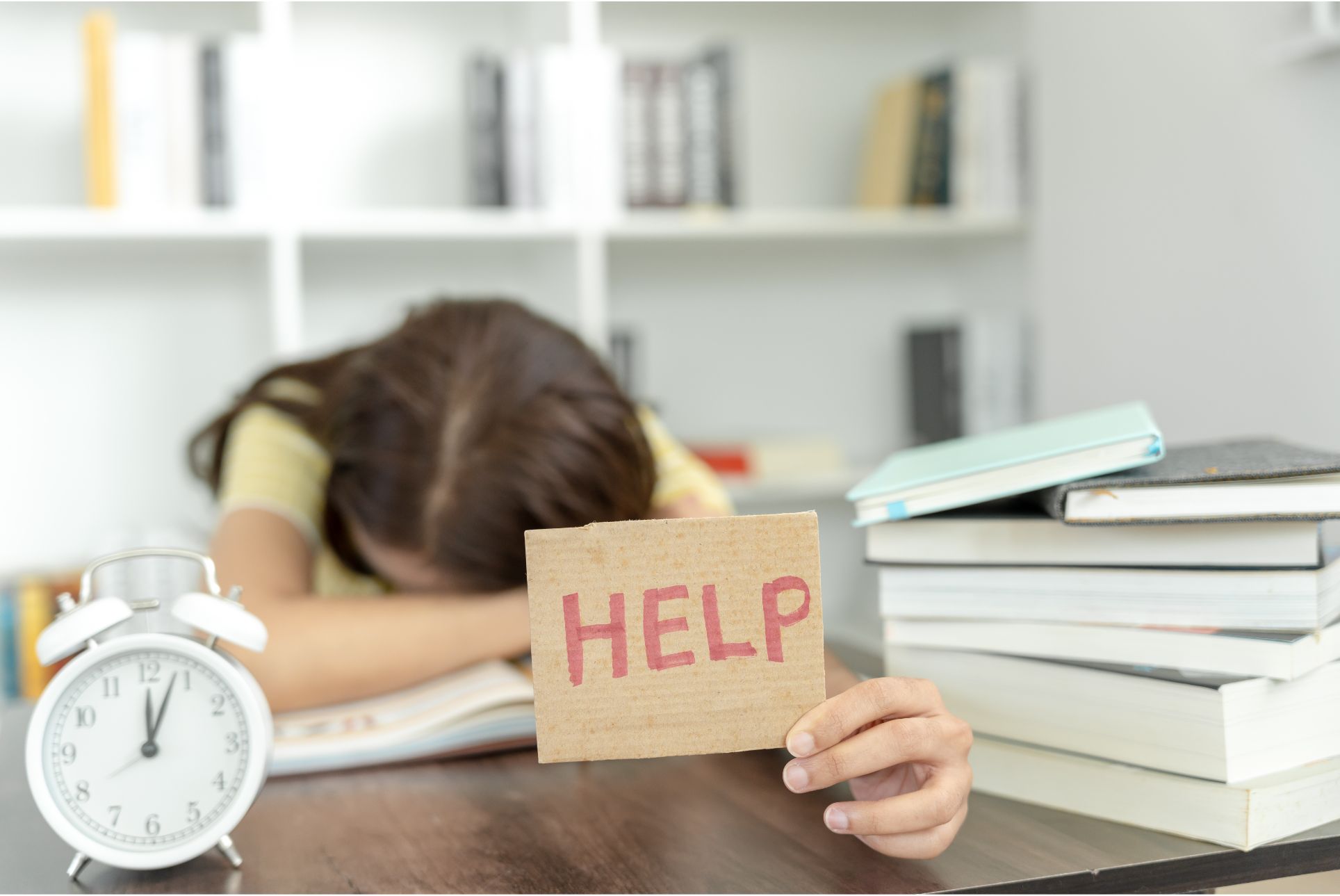
What are the symptoms of anxiety? Anxiety can show up in different ways. It is important to recognize the various ways these feelings can come to you so you can know how to reduce anxiety immediately.
These symptoms of anxiety can vary in intensity and frequency from person to person.
Here are 10 pointers to anxiety.
1. Excessive Worry: Anxiety often involves persistent and excessive worry about everyday situations, even if there’s no real threat present. It’s like that constantly worried friend of yours who just won’t leave you alone, constantly nagging you about all the things that could go wrong.
2. Restlessness: Feeling restless or on edge is a common symptom of anxiety. You might find it hard to sit still, always fidgeting or pacing around, as if you’re trying to outrun your worries. This restlessness can be exhausting, leaving you feeling like you’ve been running a race even though you’ve barely moved.
3. Fatigue: Anxiety can be draining, both mentally and physically. It can leave you feeling tired and lethargic, no matter how much rest you get. It’s like your energy has been sapped away, leaving you feeling depleted and worn out.
4. Difficulty Concentrating: With anxiety, it’s often hard to focus on tasks or stay present in the moment. Your thoughts may keep jumping from one thing to another. This difficulty concentrating can be frustrating and could negatively impact your productivity.
5. Irritability: Anxiety can make you feel on edge and irritable. You might find yourself getting annoyed or frustrated over little things that normally wouldn’t bother you. This irritability can strain relationships and make it harder to cope with everyday stressors.
6. Muscle Tension: Anxiety can cause your muscles to tense up, as if you’re constantly bracing yourself for something. This tension can be uncomfortable and contribute to physical symptoms like headaches or back pain. It feels like you are carrying a heavy weight on your shoulders all the time.
7. Sleep Disturbances: Many people with anxiety struggle with sleep disturbances. You might find it hard to fall asleep because your mind is still buzzing with worries, or you might wake up frequently during the night. This disrupted sleep can leave you feeling groggy and irritable the next day.
8. Rapid Heartbeat: When you’re anxious, your body goes into ‘fight-or-flight’ mode, triggering a cascade of physiological responses. One of these responses is a rapid heartbeat, as your body prepares to face a perceived threat. It’s like your body is gearing up to fight a monster, even though there’s no monster in sight.
9. Shortness of Breath: Along with a rapid heartbeat, anxiety can also cause shortness of breath or feelings of suffocation. It’s like your body is on high alert, ready to spring into action at a moment’s notice. These physical symptoms can be really scary and contribute to feelings of panic.
10. Panic Attacks: In some cases, anxiety can escalate into a full-blown panic attack. During a panic attack, you may experience intense physical sensations like a racing heart, sweating, trembling, or chest pain, along with overwhelming feelings of fear or impending doom.
It’s like your body and mind are overwhelmed by a sense of uncontrollable panic, making you feel like you’re losing control or even having a heart attack.
What Are The Different Types Of Anxiety Disorders?
What are the different types of anxiety disorders? Understanding the different types of anxiety disorders is the first step toward managing them effectively.
If you recognize any of the following symptoms in yourself or someone you know, then there is a good chance you need help on how to reduce anxiety immediately.
1. Generalized Anxiety Disorder (GAD): People with GAD experience excessive worry and anxiety about a variety of things, such as work, health, or family. This worry is often difficult to control and can interfere with daily life. Physical symptoms like restlessness, fatigue, muscle tension, and difficulty concentrating are common.
2. Panic Disorder: Individuals with panic disorder experience sudden and repeated episodes of intense fear accompanied by physical symptoms like a racing heart, sweating, trembling, shortness of breath, or a feeling of being out of control. These panic attacks can happen unexpectedly and often lead to avoiding situations or places where an attack has occurred before.
3. Social Anxiety Disorder (Social Phobia): This disorder involves an intense fear of social situations, where the individual fears being judged, embarrassed, or humiliated. This fear can be so severe that it interferes with work, school, or other activities. Physical symptoms may include blushing, sweating, trembling, or nausea.
4. Specific Phobias: People with specific phobias have an intense fear of a specific object or situation, such as heights, animals, or flying. When exposed to the object of their fear, they may experience immediate, intense fear or anxiety. This can lead to avoiding certain situations or places.
5. Agoraphobia: Agoraphobia involves a fear of being in places or situations where escape might be difficult or embarrassing, or where help might not be available in the event of a panic attack. This fear can lead to avoiding situations such as being in crowded areas, using public transportation, or being in open spaces.
How Do I Calm My Anxiety?
How do I calm my anxiety? While it’s a normal part of life, knowing how to reduce anxiety immediately is important for our mental and physical health.
Here, we’ll discuss practical ways to fight anxiety and reduce stress. We’ll explore how to stop worrying too much and how to stop anxious thoughts. You’ll also learn about natural methods to reduce anxiety and find lasting relief.
1. Practice Deep Breathing
When you’re feeling anxious, try taking deep breaths. Inhale slowly through your nose, hold for a few seconds, and exhale through your mouth.
This simple technique can calm your mind and body, reducing anxiety levels. Feel your chest rise and fall with each breath, grounding you in the present moment. Repeat this process whenever you need to find calmness and clarity. Deep breathing is like a reset button for your mind, helping you gain a clearer perspective.
2. Exercise Regularly
When you exercise, your brain releases these cool chemicals called endorphins. They’re like your brain’s natural mood boosters and pain relievers.
So, whether you’re into walking, yoga, or even just busting a move to your favorite tunes, finding something active that you enjoy can really help ease those anxious feelings. And it’s a win-win for your body and mind.
3. Get Enough Sleep
Did you know that getting enough sleep can really help calm your anxiety? It’s true! When we don’t get enough sleep, it can make those anxious feelings even stronger.
So, try to aim for about 7 to 9 hours of good sleep each night. Creating a bedtime routine, like reading a book or taking a warm bath, can help signal to your body that it’s time to wind down. Also, make sure your sleep environment is cozy and comfortable. These little changes can really make a big difference in how you feel.
4. Practice Mindfulness Meditation
Mindfulness meditation involves focusing your mind on the present moment. It can help reduce anxiety by quieting your mind and promoting relaxation. Start with just a few minutes a day and gradually increase the duration as you become more comfortable.
5. Limit Caffeine Intake
Try cutting back on the coffee and energy drinks, especially later in the day. Trust me, your brain will thank you for it. Opt for some herbal tea or just water instead. Your nerves will chill out, and you’ll sleep better too. Whenever you’re feeling jittery, shift your preference for something caffeine-free and watch those anxiety levels take a nosedive.
6. Limit News Consumption
So, when it comes to calming anxiety, limiting how much news you take in can really help. Constantly hearing about negative stuff can make anxiety worse. It’s good to stay informed, but try not to overdo it, especially before bed. Give yourself a break from the news sometimes, and you might find that your anxiety levels go down a bit.
7. Eat A Balanced Diet
You know, what you eat can really make a difference in how you feel, even when it comes to anxiety. Eating a balanced diet is like giving your body the right kind of fuel it needs to stay strong, including your mind!
So, try to mix things up with lots of colorful fruits and veggies, whole grains like oats or brown rice, and lean proteins like chicken or beans. Equip your body with the best, so it can help keep those anxious feelings in check. Plus, a tasty, healthy meal can be a mood booster in itself.
8. Avoid Smoking and Recreational Drugs
So here’s the trick: smoking and using recreational drugs might seem like a quick fix, but they can really amp up your anxiety. If you’re puffing away, think about kicking the habit.
And if recreational drugs are your thing, it’s time to find some healthier ways to chill out. They might give you a temporary high, but the crash can leave you feeling even more on edge. So, let’s steer clear of those substances and find some better ways to unwind.
9. Stay Connected with Friends and Family
When anxiety starts creeping in, it can feel overwhelming, but staying connected with friends and family can really help. Just a quick chat or text can remind you that you’re not alone.
Sharing how you feel with someone who cares can lighten the load and offer new perspectives. Also, laughter and good company can distract you from anxious thoughts. So, reach out when you need to, even if it’s just a virtual hug or a funny meme exchange. Your loved ones are there to support you through the ups and downs.
10. Set Realistic Goals
When you’re feeling anxious, setting realistic goals can really help. Instead of trying to tackle everything at once, break things down into smaller, more manageable steps. This approach can make big tasks feel less overwhelming and more achievable.
11. Practice Relaxation Techniques
When you’re feeling anxious, it can be really helpful to practice relaxation techniques. Things like progressive muscle relaxation, guided imagery, or just listening to calming music can work wonders.
Try out a few different methods to see what feels right for you. Once you find something that helps, try to make it a regular part of your daily routine. These techniques can really help take the edge off when anxiety starts to creep in, giving you a moment of peace in the midst of a stressful day.
12. Seek Professional Help If Needed
If your anxiety is really tough and getting in the way of your daily life, it might be a good idea to talk to a professional.
They’re trained to help with this kind of thing and can give you the right tools to handle it better. It’s like having a coach for your mind! They can teach you techniques to calm down and deal with anxious thoughts. It’s totally okay to ask for help when you need it, and it can make a big difference in how you feel every day.
How Can I Support Someone With Anxiety
How can I support someone with anxiety? Supporting someone with anxiety can make a huge difference
1. Be understanding: Try to empathize with what they’re going through. Understand that anxiety can be overwhelming and may not always have a clear cause.
2. Listen actively: Give them your full attention when they’re talking about their feelings. Let them express themselves without judgment or interruption.
3. Encourage treatment: Suggest seeking help from a mental health professional, such as a therapist or counselor. Treatment can provide tools and strategies to manage anxiety.
4. Educate yourself: Learn about anxiety disorders to better understand their experiences and challenges. This can help you provide more effective support.
5. Promote relaxation: Encourage activities that promote relaxation and stress relief, such as deep breathing exercises, meditation, or gentle exercise.
6. Avoid judgment: Avoid making comments that could be perceived as dismissive or critical. Show them that you accept and support them, regardless of their anxiety.
7. Be a consistent presence: Be there for them consistently; show them that you care and that you are available to listen or help whenever they need support. Consistency can provide a sense of stability and comfort.
Conclusion
Anxiety is a common and natural feeling that can affect anyone, but it doesn’t have to control your life. By understanding what anxiety is and its common causes, you can start to manage it more effectively.
Remember, you’re not alone in this journey. There are many ways to reduce anxiety, from simple breathing exercises to seeking professional help.
The key is to find what works best for you and to be patient with yourself. With time and practice, you can learn to calm your anxiety and live a more peaceful life.
Save this for later!
