

You know that feeling when your mind just freezes? You’re sitting there, staring at a blank screen, and no matter how hard you try, you can’t think of anything. It’s like your brain has hit a wall.
This is something I’ve experienced countless times, and I’m sure you’ve been there too. It’s frustrating and can make you feel stuck, and unable to move forward with your tasks. But don’t worry; you’re not alone, and there are ways to get past it.
So, how to get rid of mental blocks? It’s a question that many of us ask, especially when we’re on a deadline or trying to be creative. Mental blocks can happen to anyone, whether you’re a writer, a student, an entrepreneur, or just trying to solve a problem.
The good news is, there are practical steps you can take to overcome these blocks and get your mind back on track.
Stick with me, and we’ll explore ten effective ways to break through those mental barriers. By the end of this, you’ll be equipped with strategies to tackle any mental block that comes your way.

How Do You Remove Mental Blocks?
Ever found yourself wondering, “How do you remove mental blocks?” Identifying and challenging these thoughts is the way to go.
Tackling this problem head-on can make a huge difference in your productivity and peace of mind. Let’s explore some effective strategies.
1. Identify Your Blocks
The first step in how to get rid of mental blocks is to identify what’s causing them. Are you stressed out? Overwhelmed by too many tasks? Or maybe you’re just plain tired? Take a moment to pinpoint the exact source of your mental block.
A simple exercise can help: jot down your thoughts and feelings. This can reveal patterns and triggers that you might not have noticed. Once you know what’s blocking you, it’s much easier to address it directly.
2. Challenge Negative Thoughts
Next up, let’s tackle those pesky negative thoughts. They’re often the culprits behind mental blocks. When your mind is filled with doubts and fears, it’s hard to focus on anything else. How to clear mental blocks often starts with challenging these negative thoughts.
Imagine your negative thoughts as annoying little gremlins. Every time a gremlin pops up with a negative thought, counter it with a positive one. For example, if you think, “I can’t do this,” respond with, “I’ve tackled tough tasks before, and I can do this too.”
By recognizing and challenging these thoughts, you’ll start to see a shift in your mindset. This is a way of clearing the fog from your brain, making way for clearer, more positive thinking.
How to Remove Mental Blockages
Knowing how to remove mental blockages is something that many of us struggle with, especially when we’re trying to get things done but find ourselves stuck. Let’s explore some practical and effective ways to clear these mental hurdles.
1. Practice Mindfulness

One powerful way to tackle mental blockages is through mindfulness. Practicing mindfulness helps you stay present and focused, reducing the clutter in your mind. It’s like giving your brain a deep breath of fresh air.
Mindfulness can be as simple as taking a few moments each day to sit quietly and focus on your breathing. Try this: sit comfortably, close your eyes, and take slow, deep breaths.
Pay attention to each breath as it enters and leaves your body. If your mind starts to wander, gently bring it back to your breathing. This practice can help clear mental blocks and improve your overall focus.
Engage in a mindful activity, like coloring or gardening. These activities require your attention and can help shift your focus away from whatever is causing your block.
By incorporating mindfulness into your routine, you’ll find it easier to navigate through those mental blockages and understand how to get rid of mental blocks more effectively.
2. Seek Perspective
Another great strategy is to seek perspective. Sometimes, all you need is a fresh set of eyes to see things differently.
How to get rid of mental blocks often involves stepping back and looking at the bigger picture. Talk to a friend, colleague, or mentor about what you’re experiencing. Their insights can provide new angles and solutions that you might not have considered.
It’s like having a mental reset button. You’ll be surprised at how often a simple conversation can lead to breakthroughs.
You can also seek perspective through activities like reading or watching documentaries. Learning how others overcame similar challenges can be incredibly inspiring and provide you with new tools and strategies.
How Do You Get Unblocked Mentally?
You might be wondering, How do you get unblocked mentally? One of the ways to get unblocked mentally is to take breaks. There are also some other fantastic strategies to help you break free from those mental chains.
1. Take Breaks

First up, let’s talk about the power of taking breaks. When you’re stuck in a mental block, sometimes the best thing you can do is step away from the task at hand.
This might seem counterintuitive, but taking a break can actually give your brain the rest it needs to reset and refocus.
Think of your brain as a muscle. Just like your physical muscles, it needs time to recover after periods of intense use. Short, frequent breaks can help prevent burnout and keep your mind sharp.
Try the Pomodoro Technique: work for 25 minutes, then take a 5-minute break. Repeat this cycle a few times, and then take a longer break. This method can help clear mental blocks and boost your productivity.
And here’s a fun tip: during your break, do something completely different from your task. Go for a walk, listen to music, or even take a quick power nap. These activities can refresh your mind and make it easier to figure out how to get rid of mental blocks.
2. Engage In Creative Activities
Another great way to get unblocked mentally is to engage in creative activities. Creativity can stimulate different parts of your brain and help you see things from new perspectives.
Think about activities that you enjoy and that allow you to express yourself creatively. This could be anything from drawing and painting to writing poetry or playing a musical instrument. Even cooking a new recipe or rearranging your furniture can ignite your creative spark.
Why is this effective? Creative activities often put you into a state of flow, where you become fully immersed and lose track of time.
This flow state can help bypass mental blocks and generate new ideas. Plus, it’s a fun way to clear your mind and approach your tasks with renewed energy. By taking breaks and engaging in creative activities, you’ll discover powerful ways to get unblocked mentally.
10 Ways To Get Rid Of Mental Blocks
Feeling stuck can be incredibly frustrating. Whether you’re working on a creative project, tackling a tough problem, or just trying to get through your daily tasks, mental blocks can really throw a wrench in your plans. So, how to get rid of mental blocks? Let’s dive into ten detailed and practical strategies to help you break free.
1. Journal For Clarity
Journaling is like having a conversation with yourself. It allows you to put your thoughts on paper, which can be incredibly clarifying. When you write down your thoughts and feelings, you might uncover patterns and triggers that contribute to your mental blocks.
Start by setting aside 10-15 minutes each day to journal. Find a quiet space, grab a notebook, or open a document on your computer, and just start writing. Don’t worry about grammar or spelling; the goal is to get your thoughts out.
You might write about your current projects, any difficulties you’re facing, and even your emotions. Over time, this practice can help you identify what’s causing your blocks.
Consider using prompts if you’re not sure where to start. Questions like “What’s been on my mind lately?” or “What am I feeling anxious about?” can guide your journaling.
Revisiting your entries can also be enlightening, helping you spot recurring themes or issues that need addressing. By consistently journaling, you’ll gain insights into how to break a mental block and how to get rid of mental blocks more effectively.
2. Meditation And Relaxation Techniques
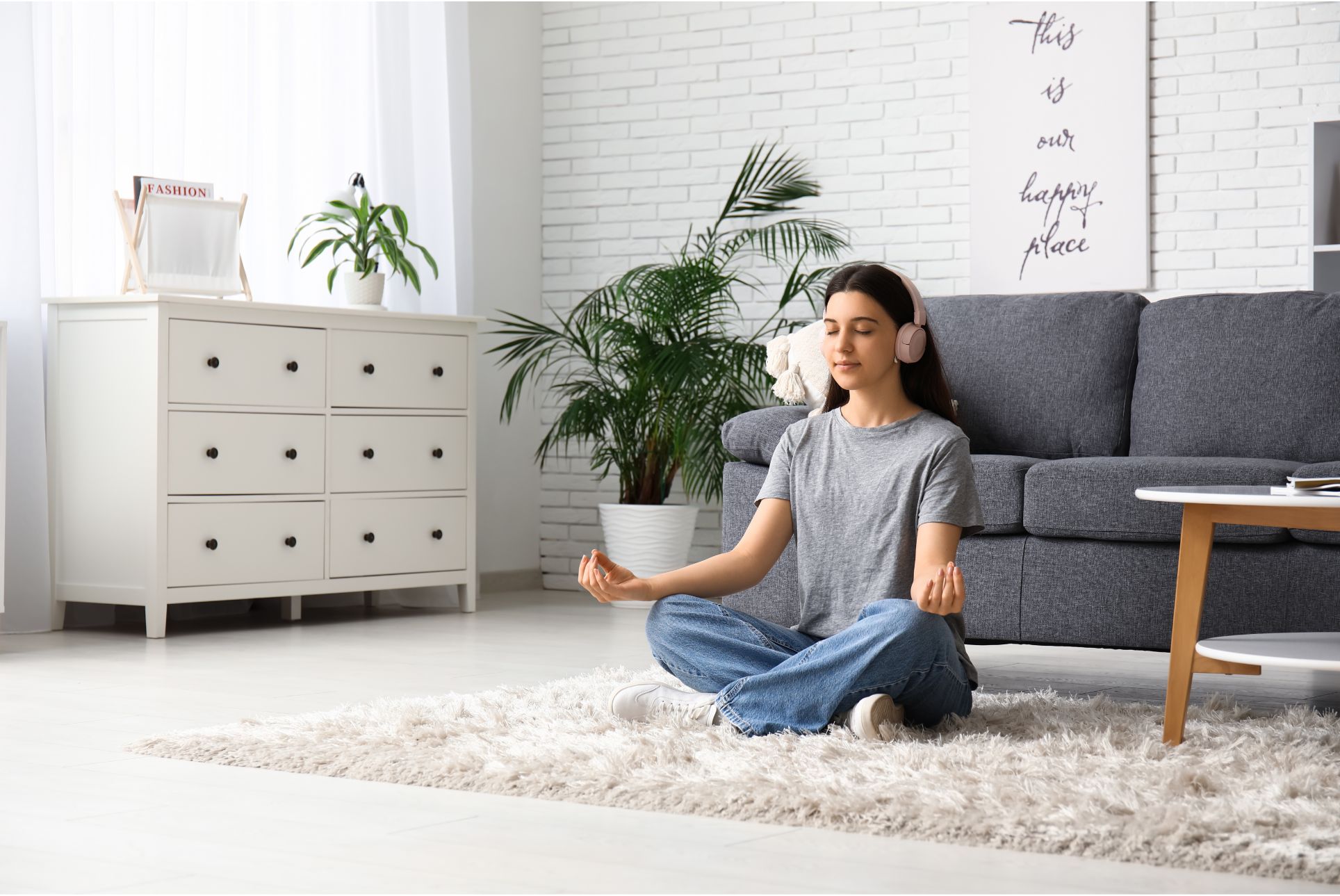
Meditation is a powerful tool for clearing your mind. By practicing meditation regularly, you can train your brain to focus better and reduce stress. Relaxation techniques like deep breathing, progressive muscle relaxation, or even listening to calming music can also help.
Here’s a simple technique: Find a quiet spot, sit comfortably, and close your eyes. Focus on your breathing, taking slow, deep breaths. Inhale deeply through your nose, hold for a few seconds, and then exhale slowly through your mouth.
If your mind starts to wander, gently bring it back to your breath. Doing this for even a few minutes a day can make a significant difference. There are also guided meditations available through apps and online platforms, which can be particularly helpful if you’re new to the practice.
Techniques like body scans, where you focus on each part of your body, or visualization, where you imagine a peaceful scene, can help you relax deeply.
Regular meditation can lead to a calmer, more focused mind. It’s like giving your brain a reset button, helping you clear mental blocks and improve your overall well-being. Over time, you’ll find it easier to handle stress and maintain focus, crucial steps in learning how to get rid of mental blocks.
3. Physical Exercise
Physical exercise isn’t just good for your body; it’s great for your mind too. Exercise releases endorphins, which can help reduce stress and improve your mood. Plus, it gives you a break from your usual routine, which can be refreshing.
Even a short walk or some light stretching can make a big difference. Try to incorporate some form of physical activity into your daily routine. Whether it’s a morning jog, an evening yoga session, or a quick dance break, moving your body can help clear your mental blocks.
If you enjoy more structured workouts, consider joining a gym or a fitness class. Group activities can provide additional motivation and support. Alternatively, outdoor activities like hiking or cycling can combine the benefits of exercise with the refreshing effects of nature.
Exercise also helps improve your sleep, which is crucial for cognitive function. A well-rested mind is better equipped to handle challenges and solve problems, making it easier to break a mental block.
By making physical activity a regular part of your routine, you’ll boost your mental and physical energy, understanding better how to get rid of mental blocks.
4. Set Clear Goals

Sometimes, mental blocks occur because you’re not sure what you’re trying to achieve. Setting clear, specific goals can give you direction and motivation. Break down your larger goals into smaller, manageable tasks, and tackle them one at a time.
Use the SMART criteria (Specific, Measurable, Achievable, Relevant, Time-bound) to set your goals. For example, instead of saying, “I want to write a book,” you could say, “I will write one chapter each month.”
This way, you’ll have a clear roadmap to follow, making it easier to break a mental block and stay on track. Create a detailed action plan for each goal. List the steps you need to take, set deadlines, and track your progress.
This structured approach can help you stay focused and motivated. Regularly review and adjust your goals as needed, celebrating your achievements along the way.
Having clear goals provides a sense of purpose and direction. It helps you prioritize your tasks and focus your efforts, reducing the chances of getting stuck. By setting and pursuing clear goals, you’ll find it easier to navigate through challenges and understand how to get rid of mental blocks effectively.
5. Seek Feedback
Feedback from others can provide valuable insights and perspectives that you might not have considered. If you’re stuck, don’t hesitate to ask for feedback from colleagues, friends, or mentors.
Constructive criticism can highlight areas for improvement and give you new ideas on how to approach your tasks. Plus, discussing your challenges with others can often lead to breakthroughs.
When seeking feedback, be specific about what you need help with. Ask questions like, “What do you think of this approach?” or “Do you see any areas where I can improve?”
Be open to receiving feedback, even if it’s not what you expected. Sometimes, an outside perspective is exactly what you need to see the bigger picture. Regularly incorporating feedback into your work can help you grow and improve, making it easier to break mental blocks.
Consider setting up regular check-ins with a mentor or a peer group. These meetings can provide ongoing support and accountability, helping you stay on track and maintain your progress. By actively seeking and applying feedback, you’ll develop a clearer understanding of how to get rid of mental blocks.
6. Try New Approaches
If you keep doing things the same way, you’ll likely keep hitting the same blocks. Sometimes, all it takes to break a mental block is to try a new approach. Experiment with different methods and see what works best for you.
For example, if you usually work in a quiet environment, try adding some background music. If you’re stuck on a writing project, switch to another format, like mind mapping or voice recording. Changing your environment or routine can also help. Work in a different location, rearrange your workspace or adjust your schedule.
Another effective strategy is to seek out new experiences and challenges. Take up a new hobby, learn a new skill, or explore a different field of interest. These activities can stimulate your mind and inspire new ideas, helping you break through mental blocks.
Being open to new approaches can help you find fresh solutions and clear mental blocks. It encourages creativity and flexibility, which are essential for problem-solving. By continually exploring new methods and perspectives, you’ll learn how to get rid of mental blocks and keep your mind agile and innovative.
7. Collaborate With Others

Collaborating with others can spark new ideas and provide the support you need to move forward. Working with a team allows you to bounce ideas off each other and gain different perspectives.
Find a study group, join a professional network, or collaborate with a colleague on a project. The collective energy and shared knowledge can be incredibly motivating. When you collaborate, you’re exposed to different ways of thinking and problem-solving, which can help you overcome mental blocks.
Effective collaboration involves good communication and mutual respect. Be open to others’ ideas, and don’t be afraid to share your own. Regular meetings and brainstorming sessions can keep the collaboration dynamic and productive.
Collaboration also provides a sense of accountability and support. Knowing that others are counting on you can motivate you to push through challenges. By working together, you’ll find it easier to understand how to get rid of mental blocks and achieve your goals.
8. Learn From Role Models
Role models can provide inspiration and guidance. Look up to people who have achieved what you’re aiming for and learn from their experiences. Read their books, watch their interviews, or follow their blogs.
Understanding how others overcame similar challenges can offer you practical advice and motivate you to push through your mental blocks. Study their strategies, mindset, and habits. What worked for them might work for you too.
Reach out to your role models if possible. Attend their workshops, engage with them on social media, or even ask for mentorship. Personal interactions can provide deeper insights and encouragement.
Learning from role models can show you how to get rid of mental blocks by following in their footsteps. It reminds you that success is possible and provides a blueprint for achieving it. By emulating the practices of those you admire, you’ll gain valuable tools for overcoming mental blocks.
9. Embrace Failure As Learning
Fear of failure can be a significant source of mental blocks. Instead of seeing failure as a setback, view it as an opportunity to learn and grow. Every mistake teaches you something valuable and brings you one step closer to success.
Remember, even the most successful people have failed numerous times before achieving their goals. Embrace your failures, learn from them, and keep moving forward. This mindset shift can help you understand how to get rid of mental blocks and keep progressing.
Create a failure log where you record your mistakes and what you learned from them. Reflect on these experiences regularly to understand how they’ve contributed to your growth. Celebrate the lessons learned, not just the successes.
By embracing failure, you reduce the fear and anxiety associated with it. You become more resilient and adaptable, qualities that are essential for overcoming mental blocks. Viewing failure as a learning opportunity helps you maintain a positive mindset and continuous progress.
10. Celebrate Successes

Finally, don’t forget to celebrate your successes, no matter how small they may seem. Recognizing and celebrating your achievements is crucial for maintaining motivation and reinforcing positive behavior. When you acknowledge your progress, it boosts your confidence and encourages you to continue pushing forward.
Start by creating a success journal where you list every accomplishment, big or small. This journal is not just a record of your achievements but a source of motivation and reflection. Each time you check off an item, you’ll be reminded of how far you’ve come.
Set up a reward system for yourself. It could be as simple as enjoying a favorite treat, taking a day off to relax, or purchasing something you’ve had your eye on. Celebrating milestones, whether they’re completing a challenging project or reaching a personal goal, reinforces a positive mindset and helps you stay motivated.
Sharing your successes with friends, family, or colleagues can amplify the positive effects. Their encouragement and praise can provide additional support and motivation.
Don’t be shy about letting others know about your achievements; it’s a way to reinforce your sense of accomplishment and gain valuable encouragement.
Conclusion
Dealing with mental blocks can be tough, but with the right strategies, you can break through them and get back on track. Start by identifying what’s causing your block and challenging any negative thoughts that might be holding you back. Practicing mindfulness and taking regular breaks can also help clear your mind and reduce stress.
Engage in creative activities to stimulate your brain and try new approaches to shake things up. Setting clear goals and seeking feedback from others can provide direction and fresh perspectives. Collaboration with others and learning from role models can offer additional insights and motivation.
Overcoming mental blocks is a journey, and with persistence and the right tools, you’ll find yourself moving forward with greater ease and confidence.
Save this for later!