

In today’s fast-paced, tech-driven world, it’s easy to feel overwhelmed by the constant barrage of notifications, messages, and digital distractions. This is where the need to learn how to do a digital detox becomes necessary.
If you feel like you spend more time with your devices than with the people and activities that truly matter, you’re not alone in your struggle. With the right guidance, breaking free from the grip of technology is not only possible but also empowering.
Learning how to do a digital detox is the perfect way to regain control, allowing you to refocus on what’s important. By stepping away from screens and consciously managing your online activities, you can reclaim your time, energy, and well-being.
This has nothing to do with abandoning technology altogether but about finding balance and ensuring that your screen time adds value to your life.
In this article, I’ll discuss ten effective strategies for successfully navigating a digital detox especially if you’d be attempting one for the first time. Whether you’re looking to disconnect from social media, reduce gaming hours, or simply be more present in your daily life, these tips will guide you toward a healthier, more mindful relationship with technology.

Is A Digital Detox Worth It?

One question that must be considered is, “Is a digital detox worth it?”
A digital detox is worth it because it can improve your mental and physical health. Reducing screen time can help you sleep better, feel less stressed, and have more time for real-life activities.
It can also enhance your relationships by allowing more face-to-face interactions. The benefits of a digital detox often outweigh the challenges of adjusting to less screen time. Many people find they feel happier and more productive after a detox.
How Long Does A Digital Detox Take?
Another question worth looking into is, “How long does a digital detox take?”
The length of a digital detox can vary depending on your needs. Some people do a detox for a weekend, while others may choose to limit screen time for a week or even a month.
Start with a short period to see how it feels, and then adjust the duration as needed. The key is to find a balance that works for you and your lifestyle.
How Do I Prepare For A Digital Detox?
Asking questions like “How do I prepare for a digital detox?” will position you to make the best use of one when you eventually do it.
To prepare for a digital detox, plan out your activities ahead of time. Decide what you will do instead of using digital devices, like reading, exercising, or spending time with loved ones. Inform your friends and family about your detox plan so they know you may be less available online.
Set clear goals and boundaries for your screen time. Gather any supplies you might need for offline activities to keep yourself engaged.
How To Stick To A Digital Detox?
“How to stick to a digital detox?” is a question that people who struggle with staying committed to their digital detox plans would probably ask.
If you want to adhere to your digital detox plans, you must take proactive steps to resist the temptation to use your devices beyond the limits you’ve set. Decide how much time you want to reduce screen usage and which activities to limit.
You can use apps to monitor your progress and remind you of your goals. Consider placing your devices out of sight or at places that make it difficult for you to access when you are done working or doing important stuff with them. You can also share plans with friends and family so they can support you.
What Not To Do After A Detox?
Here’s an important question you should examine before implementing your detox plans: “What not to do after a detox?”
After a digital detox, avoid going back to old habits by setting long-term boundaries. Do not immediately resume excessive screen time or allow yourself to get sucked back into endless scrolling.
Continue to monitor your screen usage and make adjustments as needed. Keep up with the offline activities and habits you enjoyed during the detox. Remember the benefits you experienced and strive to maintain a healthy balance with technology.
Here Are Ten More Ways You Can Learn How To Do A Digital Detox
1. Set Clear Goals

One of the many digital detox tips that you should take quite seriously is setting clear goals for your digital detox intentions. This is because the goals you set keep you focused and motivated and lay the foundation for whatever strategies and ideas you’ll implement to spend less time on your devices.
If you want to learn how to do a digital detox properly, begin by setting clear goals. Start by identifying why you want to do a digital detox. It could be to improve your mental health, spend more time with loved ones, or increase your productivity. Knowing your reasons makes it easier to commit to the process.
Define your digital detox. Decide how much time you will spend on digital devices each day and which activities you want to reduce or eliminate. For example, you might aim to limit social media use to 30 minutes a day or avoid using your phone during meals. Having these clear boundaries helps you stay on track and measure your progress.
Write down your goals and keep them visible. This reminder can help you stay committed, especially when you feel tempted to go back to old habits. Share your goals with friends or family members so they can support you and hold you accountable.
Track your progress and celebrate small victories. Each day you stick to your digital detox plan is an achievement. Reflect on how reducing screen time makes you feel and the benefits you notice, such as better sleep or more meaningful conversations.
2. Start Small
The more effective ways to digital detox all begin with starting small and with whatever you have. Most people fail to understand that the key to learning how to do a digital detox is to begin with small, baby steps.
Hence, they end up getting overwhelmed with all the heavy lifting and tips they are applying. Small changes make the process less overwhelming and easier to manage.
For example, you might start by reducing your screen time by just 10 or 15 minutes a day. This small step helps you gradually adjust to spending less time on digital devices without feeling deprived or stressed.
Focusing on one area at a time can also make a big difference. For example, you could limit your social media use first or decide not to use your phone during meals. These specific, manageable goals help you build confidence and see immediate benefits, like more focused conversations or a better dining experience.
As you get used to these small changes, you can gradually increase your efforts. For example, you might extend your phone-free time from meals to your entire evening. By making incremental adjustments, you avoid the shock of a sudden, drastic change and make the detox process more sustainable.
Reflect on how each small step improves your life. Notice the extra time you have for hobbies, the increased focus on tasks, or the better quality of your sleep. These positive outcomes reinforce your commitment to continuing the detox and encourage you to take further steps.
3. Create Tech-Free Zones
Another thing you should consider to know how to successfully do a digital detox is to create tech-free zones around your house. By designating specific areas where digital devices are not allowed, you can reduce screen time and foster a more mindful and connected environment.
Choose spaces like your bedroom, dining room, or living room to be free from technology. These tech-free zones help you focus on activities that do not involve screens, such as reading, talking with family, or simply relaxing.
When you keep your bedroom free from devices, you promote better sleep. Without the distractions of phones or tablets, you can wind down more easily at night and wake up feeling more rested.
In the dining room, a tech-free zone encourages more meaningful conversations during meals. This practice helps you connect with loved ones and enjoy your food without interruptions.
The living room can also benefit from being a tech-free zone. Instead of watching TV or scrolling through social media, you can engage in activities like playing board games, reading a book, or simply enjoying each other’s company. These moments of genuine interaction are valuable for building stronger relationships and creating lasting memories.
Establishing tech-free zones helps you become more mindful of your screen use. It creates clear boundaries and makes it easier to break the habit of constantly reaching for your device. Over time, you will find it more natural to spend time without screens and appreciate the benefits of a more balanced life.
4. Limit Social Media Use
Limiting social media use is an important step in learning how to do a digital detox. Social media can consume a lot of time and energy, often without you realizing it.
To start, set specific times during the day when you will check your social media. This can help you avoid mindlessly scrolling and wasting hours. You might decide to look at your social media only in the morning and evening, giving yourself long breaks in between.
Reducing notifications can also help limit your use. Turn off alerts for social media apps so you are not constantly interrupted by pings and messages. This allows you to focus on other tasks and be more present in the moment. Without frequent distractions, you will likely find it easier to concentrate and get more done.
Consider removing social media apps from your phone altogether. This makes it less convenient to check them impulsively. You can still access your accounts through a computer if needed, but the extra step makes you think twice before logging in. This small barrier can significantly reduce your overall time spent on social media.
Reflect on how reducing social media use affects your mood and productivity. You might notice that you feel less stressed and more connected to the real world. Use this positive feedback to motivate yourself to continue limiting your use.
5. Schedule Tech-Free Times

Working with moments where you stay away from tech works great too. By setting specific periods each day without any digital devices, you create a routine that helps reduce screen time.
Choose moments when it is easier to disconnect, like during meals, before bed, or early in the morning. This regular break from technology can refresh your mind and improve your overall well-being.
During tech-free times, engage in activities that do not involve screens. Read a book, take a walk, or spend time with family and friends. These activities can be more fulfilling and relaxing than scrolling through your phone or watching TV.
Over time, you will find that these tech-free moments become something you look forward to, providing a much-needed break from the digital world.
Tech-free times can also help improve your sleep. Avoiding screens before bedtime reduces exposure to blue light, which can interfere with your sleep patterns. By disconnecting an hour before bed, you allow your mind to unwind and prepare for a restful night. This can lead to better sleep quality and more energy the next day.
Another benefit is increased productivity. Without the constant distraction of notifications and social media, you can focus better on tasks and complete them more efficiently. This focused time can make a significant difference in your work or study habits.
If you want to learn how to do a digital detox easily, look at your schedule and select specific time gaps that are lengthy enough to allow you to do other things that do not require the use of electronic devices e.g meditation, painting or a sport.
Make sure that those time gaps do not interfere with work or other important demands. A digital detox is not an excuse for incompetence and laziness. The secret is to invest tech-free times in other things that can help you live a life of better quality.
6. Engage In Offline Activities
Another way you can understand how to do a digital detox is to focus on offline activities. Engaging in activities that do not involve screens allows you to break the habit of constantly checking your phone or computer.
Spend time doing things you enjoy, like reading a book, cooking a new recipe, or going for a walk. These activities provide a refreshing change from the digital world and can be more fulfilling.
Exploring hobbies is another great way to spend time offline. Whether it’s painting, gardening, or playing a musical instrument, hobbies help you relax and enjoy the moment. They also offer a sense of accomplishment and can be a fun way to learn new skills. By dedicating time to your hobbies, you can create a balanced routine that includes less screen time.
Socializing in person is also important. Meet up with friends or family members, have a coffee, or go on an outing. These face-to-face interactions are more meaningful and can strengthen your relationships. When you spend time with others without digital distractions, you can have deeper conversations and make lasting memories.
Physical activities are beneficial too. Exercise, yoga, or even a simple walk in the park can help you feel more connected to your body and surroundings. Physical activities reduce stress and improve your mood, making it easier to disconnect from digital devices.
Engaging in offline activities like reading, hobbies, socializing, and physical exercise helps you do a digital detox. These activities provide fulfillment, strengthen relationships, and improve well-being, making it easier to reduce screen time and enjoy life more fully.
7. Use Apps To Monitor Usage
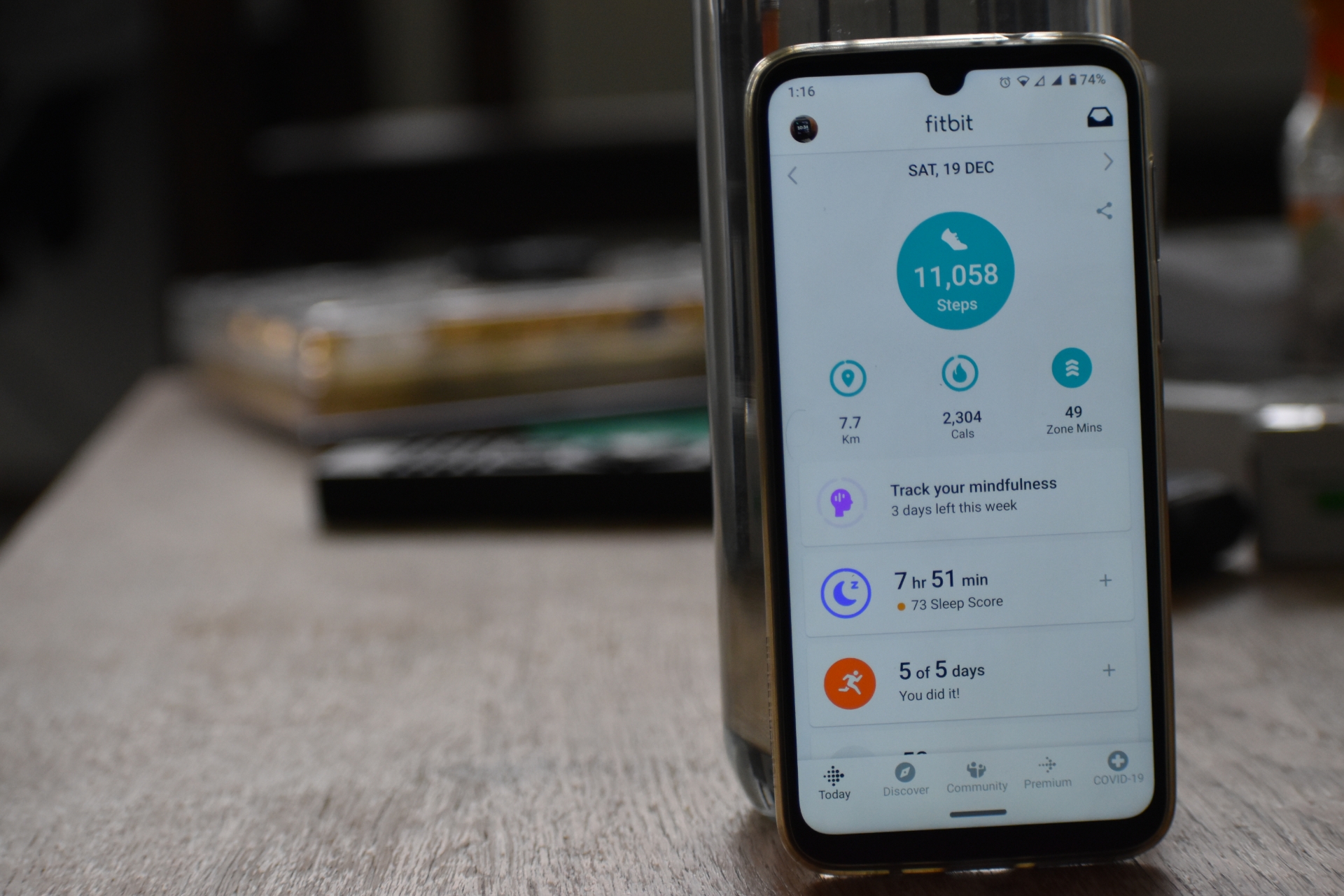
Using apps to monitor your usage is an effective way to learn how to do a digital detox. These apps help you track how much time you spend on your phone or computer. By seeing detailed reports, you become more aware of your digital habits. This awareness is the first step towards making positive changes and reducing screen time.
The apps can show you which applications you use the most and how often you check your phone. With this information, you can set specific goals to cut down on unnecessary usage.
For example, you might decide to limit social media to one hour per day. Concrete data allows you to see your progress and stay motivated. Setting daily or weekly limits using these monitoring apps can help you gradually decrease your screen time.
When you reach your limit, the app can send reminders or even block access to certain apps. This helps you stick to your goals and avoid the temptation to overuse your device.
These apps also help you establish healthier routines. By tracking your usage, you can identify times when you might be more prone to excessive screen time, such as late at night. With this knowledge, you can create a schedule that includes more offline activities, promoting a balanced lifestyle.
8. Communicate Your Plan To Others
A fresh perspective you should consider in your attempts to learn how to do a digital detox is to talk to your loved ones about your intentions.
Communicating your plan to others is an important step in a digital detox. Letting friends, family, and colleagues know about your intentions helps them understand your goals.
When they know you are trying to reduce screen time, they can support you and hold you accountable, making the process easier and more successful.
Explain to them why you are doing a digital detox and what changes you are making. Share how you plan to limit your phone or computer use and what times you will be offline. This transparency helps them adjust their expectations and interactions with you.
For instance, if you are not checking your phone after 8 PM, they will know not to expect immediate responses. Involving others in your plan can also inspire them to join you. They might decide to reduce their screen time too, creating a more supportive environment for everyone.
Doing a digital detox together can strengthen your commitment and provide mutual encouragement.
Regularly updating your progress with others keeps you motivated. Share your achievements and challenges, and listen to their feedback. Their encouragement can boost your confidence and help you stay on track.
Sometimes embarking on a digital detox journey can be quite difficult but with the support of the people important to you, you can find your way around it.
9. Focus On Real-life Interactions
Like a popular Gen-Z quote says “Go outside and touch grass”, one way you can learn how to do a digital detox is by interacting more often with real-life situations. When you spend more time with people face-to-face, you naturally reduce your screen time.
Meeting friends and family in person allows you to build stronger connections and enjoy deeper conversations. These interactions are more meaningful and fulfilling than virtual ones, as they create lasting memories and emotional bonds. Hence, another way.
Making time for real-life interactions can involve simple activities like having a meal together, going for a walk, or just chatting over coffee. These moments help you stay present and appreciate the company of those around you. Engaging in such activities can make you feel more connected and less reliant on digital devices for social interaction.
Real-life interactions also provide opportunities for new experiences and learning. Participating in group activities, joining clubs, or attending events can introduce you to new people and interests. These experiences enrich your life and keep you engaged in the world around you, reducing the urge to constantly check your phone or computer.
Spending more time with people in person helps improve your communication skills. Face-to-face conversations require active listening, empathy, and non-verbal communication. These skills are essential for building strong relationships and can be developed through regular, real-life interactions.
By prioritizing face-to-face time with loved ones and engaging in new activities, you can successfully reduce screen time and lead a more fulfilling life.
10. Reflect On Your Progress

Regularly taking time to think about how you are doing helps you understand the changes you have made. It allows you to see the benefits of reducing screen time, like improved focus, better sleep, and more meaningful interactions. This reflection reinforces your commitment to the detox and keeps you motivated.
You can reflect on your progress by keeping a journal. Write down your experiences, challenges, and successes each day. Note how your feelings and habits are changing. This written record helps you track your journey and identify patterns. Over time, you will see how much progress you have made, which can be very encouraging.
Talking to friends or family about your digital detox can also be helpful. Sharing your experiences with others provides support and accountability. They can offer insights and advice, helping you overcome any difficulties you face. These conversations can also remind you of your goals and why you started the detox in the first place.
Reflecting on your progress helps you make necessary adjustments. If you find certain strategies are not working, you can change your approach. This flexibility ensures that your digital detox remains effective and sustainable. It also helps you set new goals as you move forward.
Reflecting on your progress is an important aspect of getting a successful digital detox. It helps you understand the benefits, track changes, stay motivated, and make necessary adjustments. This reflection supports your journey toward a healthier, more balanced relationship with technology.
Conclusion
Learning how to do a digital detox is one of the best things you can do for yourself especially if your responsibilities (Your Job) demand that you use your phone and other electronic devices for long periods.
It might not always seem so, but spending some time away from technology does a lot of good. Apart from the fact that it allows you to maintain some form of balance over your life, it also keeps your mind fresh.
It’s quite easy for your mind and soul to get polluted by a few of the things you see on the internet. A digital detox allows you to focus your mind on other beautiful aspects of life and interact wholly with reality.
Save this for later!