

Though we usually prioritize the needs and desires of others, it is easy to ignore the most essential relationship of all, the one we have with ourselves.
Learning how to be your own best friend is a powerful and transformative experience that can have a significant impact on many aspects of your life.
It’s about developing a strong feeling of self-love, acceptance, and compassion, as well as treating yourself with the same warmth and understanding that you would extend to a close friend.
In this blog article, we’ll go over practical tactics and mindset modifications to help you become your own best friend.
We’ll look at how you can cultivate a strong and supportive relationship with yourself by practicing positive self-talk, setting boundaries, embracing solitude, and pursuing your passions. Below are 10 ways on how to be your own best friend.

10 Ways To Be Your Own Best Friend
1. Practice Positive Self Talk
Positive self-talk is a key component in learning how to be your own best friend. This entails establishing a supportive inner conversation that uplifts and encourages you, much like a best friend would.
Instead of allowing negative thoughts to take over your head, deliberately replace them with positive statements. For example, if you catch yourself thinking, “I’m not good enough,” respond with, “I am capable and worthy of success.”
Consistently acknowledging your talents and abilities helps to maintain a positive self-image and boosts confidence. Treat yourself with the same respect and compassion that you would show a close friend going through a difficult situation.
Remind yourself of your triumphs and talents, and recognize your efforts, no matter how tiny they appear. This positive reinforcement will gradually assist to create resilience and a stronger feeling of self-worth.
Remember that being your own best friend is being a constant source of support and encouragement for oneself, particularly during difficult times.
So, embrace the power of positive self-talk as an important tool on your path to self-love and friendship with yourself.
2. Always Watch Out For Yourself

Another aspect on how to be your own best friend is that you must prioritize self-care and self-preservation. This entails being aware of your own needs, boundaries, and overall well-being.
Make a vow to constantly look out for yourself, just like a faithful friend would. Pay close attention to your physical, emotional, and mental health, and take aggressive steps to treat any issues.
This could include scheduling time for relaxation, participating in hobbies that bring you joy and fulfilment, or getting professional assistance when necessary.
Remember that self-care is not selfish; it is an essential part of sustaining a good relationship with oneself. Treat yourself with the same compassion and tenderness that you would show a close friend who is going through a difficult time.
Prioritize activities that replenish and energize you, and don’t be afraid to say no to those that drain your energy or jeopardize your well-being.
Making self-care a non-negotiable priority strengthens your bond with yourself while also laying the groundwork for a more happy and balanced life. So take on the position of protector of your own well-being and look out for yourself with unshakable dedication and care.
3. Forgive Yourself
Forgiving yourself is one of the most powerful acts of self-compassion you can do on how to become your own best friend. Just as you would forgive a buddy who committed a mistake, give yourself the same grace and understanding.
It is unavoidable that you may have setbacks, make mistakes, or fall short of your own standards from time to time. However, concentrating on past mistakes or harboring sentiments of guilt and shame simply slows your progress and lowers your self-esteem.
Instead, engage in self-forgiveness as a freeing act of self-love and acceptance. Recognise your flaws and faults without judgement, and accept that they are a normal part of the human experience.
Accept the opportunity to learn and develop from your experiences, rather than letting them define you. Remember that being your best friend entails treating yourself with the same care and understanding that you would provide to others.
So let go of your past regrets and embrace a future full of self-compassion and personal progress. Forgiving yourself allows you to achieve greater self-acceptance, inner calm, and resilience on your path to self-love and relationship with yourself.
4. Pursue Your Interests
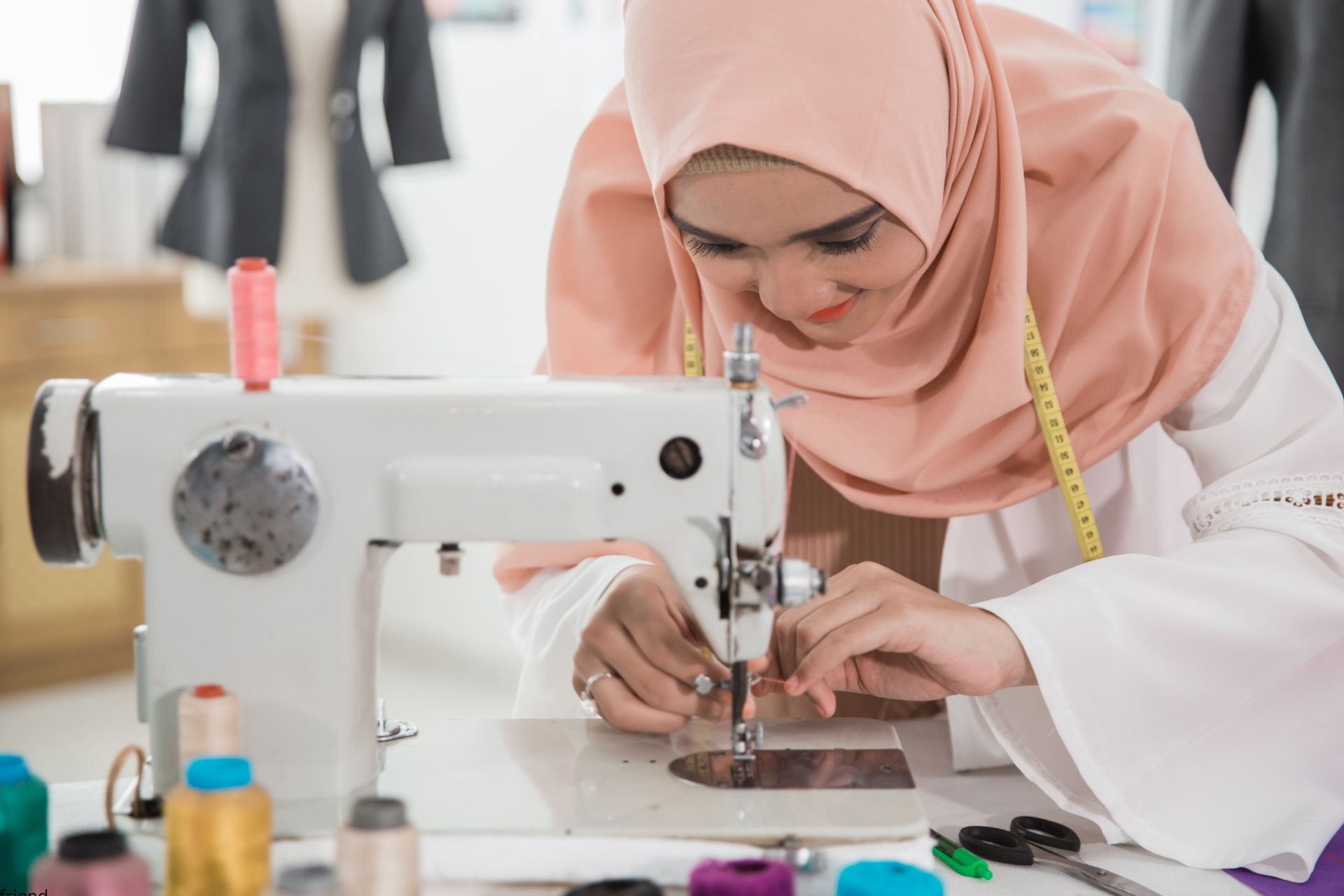
Actively pursuing your hobbies and passions is another way on how to become your own best friend. Just as you would encourage a buddy to pursue their aspirations, allow yourself to investigate and participate in activities that bring you joy and fulfilment.
Make time in your life to explore what actually interests you, whether it’s a pastime you’ve always wanted to try, a skill you’d like to learn, or a cause you’re passionate about.
Prioritizing your passions allows you to build a sense of purpose and fulfilment while also deepening your connection with yourself. Pay attention to the activities that give you energy and make you feel alive, and include them into your regular routine.
Remember that investing in your own happiness and personal development is not selfish; it is a necessary part of self-care and self-discovery. Accept the opportunity to try new things, push yourself, and discover hidden talents and passions.
Nurturing your passions not only enriches your life, but also transforms you into a more vivid, authentic, and fulfilled person.
Allow yourself to pursue your passions wholeheartedly and watch as your relationship with yourself develops into one of mutual admiration and fulfilment.
5. Respond To Your Needs
Cultivating a deep awareness and attentiveness to your own needs is critical in learning how to be your own best friend. Make a conscious effort to listen to and honor your inner voice, just as a caring friend would listen intently and offer support in times of difficulty.
Recognize that your physical, emotional, and psychological needs are valid and need attention. Take the time to periodically check in with yourself and analyze how you’re feeling and what you need to thrive.
This could include establishing boundaries to safeguard your time and energy, prioritizing self-care routines that nourish your well-being, or seeking out people and situations that uplift and empower you.
Remember that responding to your own needs is not a sign of weakness, but rather an act of self-respect and preservation. Trust your instincts to know what is best for you and take aggressive actions to address those needs with compassion and purpose.
Prioritizing self-care and responsiveness creates the framework for a more balanced, rewarding, and harmonious connection with yourself.
So, with an open heart, listen to your needs and allow your actions to reflect your profound love and respect for yourself as your best friend.
6. Engage In Self Care
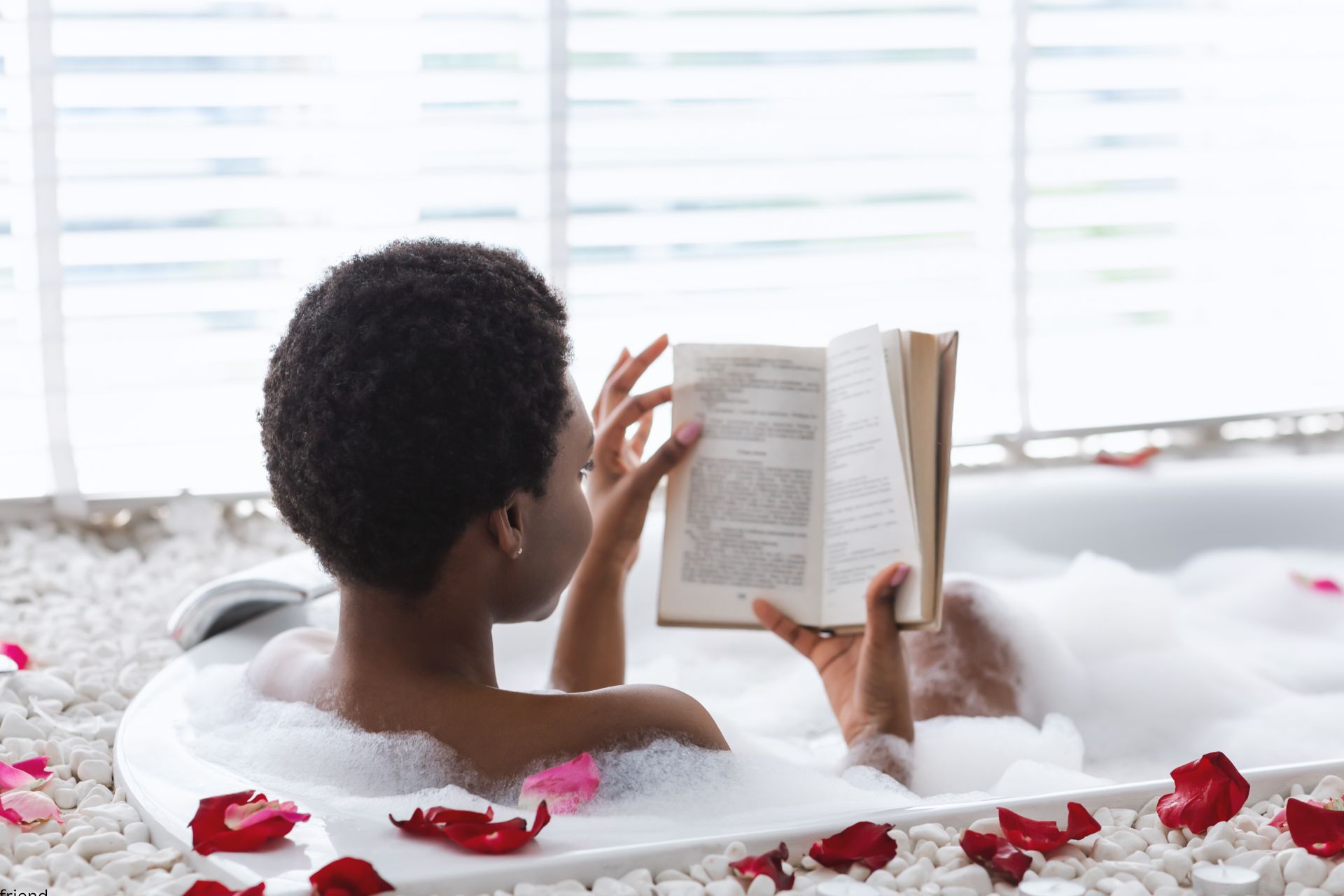
Regular self-care is essential in understanding how to be your own best friend. Prioritise your own physical, emotional, and mental health in the same way that you would prioritise the well-being of a close friend.
Self-care includes a variety of activities and practices aimed at replenishing and rejuvenating your body, mind, and soul.
This could include activities like getting enough sleep, feeding your body with nutritious foods, exercising regularly, practicing mindfulness or meditation, spending time in nature, engaging in hobbies you enjoy, or searching out social relationships that uplift and encourage you.
The goal is to trust your instincts and select the self-care techniques that connect the most with you. Remember that self-care is not a luxury; it is essential for maintaining overall well-being and resilience.
Making self-care a non-negotiable element of your routine not only demonstrates love and compassion for yourself, but it also strengthens your ability to be completely present in all aspects of your life.
So, make self-care a top priority in your quest to be your own best friend, and see how it alters your connection with yourself and the world.
7. Be Honest With Yourself
Another way on how to be your own best friend is building a connection based on honesty and authenticity. Just as you value honesty in your interactions with others, extend it to yourself.
Take the time to think on your thoughts, feelings, and actions with candor and honesty. Be willing to face hard truths and admit where you may fall short or have opportunity for improvement.
Remember that being honest with yourself is not about self-criticism or judgement, but about developing self-awareness and personal integrity.
Accept your strengths while also having the fortitude to recognize your shortcomings and places for improvement. Trust yourself to know what corresponds with your beliefs and goals and be willing to make course corrections as needed.
By cultivating an honest and transparent relationship with yourself, you build the framework for greater self-awareness, acceptance, and personal development.
So, accept your true self and allow it to guide you on your journey to being your own best friend. With honesty as your compass, you’ll manage life’s problems with integrity and authenticity, forming a partnership with yourself based on trust and self-esteem.
8. Spend Quality Time Alone

Becoming able to enjoy your own company while cultivating a strong sense of self-awareness and inner calm is another important way on how to be your own best friend.
Make time in your life to be alone with yourself, just as you would spend meaningful time with a good friend. Solitude allows for introspection, reflection, and self-discovery, free from the distractions and pressures of the outside world.
Use this time to do things you enjoy, such as reading a book, taking a nature walk, journaling your thoughts and feelings, or simply relaxing.
Accept the opportunity to reconnect with your deepest ideas, ambitions, and aspirations, and listen to the whispers of your heart with an open mind and heart.
Spending quality time alone strengthens your relationship with yourself and fosters a sense of independence and self-sufficiency. You learn to appreciate your own company and feel more at ease with your own ideas and emotions.
So, make it a point to arrange regular periods of loneliness in your life, and appreciate the opportunity to be your own best friend, confidant, and ally.
9. Set Appropriate Boundaries
Recognizing and respecting your personal limits is a vital part on how to be your own best friend.
Establish boundaries in your interactions with others to safeguard your well-being and maintain healthy dynamics and apply the same approach to your relationship with yourself.
Setting boundaries entails explicitly stating what is acceptable and unacceptable in terms of how you treat yourself and how others treat you. This may entail limiting your time and energy, declining activities or obligations that exhaust you, and speaking for your needs and desires.
Remember that setting boundaries is not about erecting walls or keeping people out, but rather about making room for self-care, self-respect, and personal development.
By setting and enforcing limits, you indicate to yourself and others that your well-being is important.
You empower yourself to make decisions that are consistent with your values and goals, and you lay the groundwork for healthy and rewarding relationships with yourself and others.
As a result, be aggressive in defining and maintaining your boundaries, and respect the sacredness of your own space and autonomy as your best friend.
10. Go On Solo Dates And Treats

Another way on how to be your own best friend is celebrating the joy and liberation of spending quality time alone by indulging yourself to solitary dates and indulgences.
Prioritize self-celebration and delight, just as you would plan outings and special treats for a close friend. Take yourself out to your favorite restaurant, see a movie or a performance, or go on a solo journey to a destination you’ve always wanted to visit.
Accept the opportunity to connect with yourself on a deeper level, free of the expectations and preferences of others.
Use this time to indulge in things that bring you joy and energy, such as indulging yourself with a spa day, immersing yourself in a creative activity, or simply taking a leisurely stroll around the park.
Going on solo dates and treats helps you develop a sense of independence, self-reliance, and self-love. You learn to enjoy your own company and find fulfilment and delight in the simple things in life.
So, make a point of scheduling regular solitary adventures and goodies to celebrate your unique and lovely personality.
As your own best friend, treasure these times of self-discovery and indulgence, and allow them to remind you of your limitless love and regard for yourself.
What Does It Mean To Be Your Own Best Friend?

So, what does it mean to be your own best friend? The concept of being your own best friend is extremely important when it comes to self-love and personal development.
The concept “what does it mean to be your own best friend” goes beyond friendship to encompass self-compassion, self-awareness, and self-empowerment.
To be your own best friend, nurture a deep and unconditional love for oneself, similar to the unwavering support and understanding you would give a beloved partner.
It involves cultivating a relationship with oneself based on kindness, acceptance, and authenticity, as well as instilling trust, respect, and appreciation for the person you are and the person you want to be.
Being your own best friend entails prioritizing your own health and happiness and treating yourself with the same care and respect that you would give to others.
It entails listening to your needs, respecting your boundaries, and advocating for yourself with empathy and conviction. It entails accepting both your talents and flaws, acknowledging your underlying worth and potential, and appreciating your own essence.
Finally, being your own best friend is a voyage of self-discovery and self-love, a lifelong commitment to cultivating the most essential connection you will ever have: the one with yourself.
It is an invitation to embrace your true self, live truly, and build a deep sense of fulfillment and contentment from within.
How To Be Your Own Best Friend First

Before providing friendship and assistance to others, it is important to know how to be your own best friend first. To build a solid foundation of self-love and compassion within.
Begin by putting your own needs and well-being first, treating yourself with the same love and understanding that you would extend to a close friend. Create a healthy inner dialogue by confronting self-criticism with affirming and uplifting beliefs.
Take the time to identify your strengths, passions, and values, and then apply them in your everyday life.
Set appropriate boundaries to protect your energy and feeling of self-worth and learn to say no to anything that contradicts your principles or undermines your well-being.
Accept isolation as a chance for self-reflection, introspection, and personal growth, and engage in regular self-care rituals that nourish your mind, body, and spirit.
Prioritizing your own friendship and support creates the foundation for stronger connections and more meaningful interactions with others. Remember that being your own best friend is not selfish; it is a form of self-preservation and self-esteem.
By first honoring and developing your relationship with yourself, you empower yourself to fully participate in the world and connect with others from a place of wholeness and honesty.
What Happens When You Become Your Own Best Friend?

Also, what happens when you become your own best friend? Becoming your own best friend is a transforming journey that has far-reaching consequences for all aspects of your life.
When you form a close and unconditional friendship with yourself, you gain a new sense of self-love, acceptance, and empowerment. You gain a better understanding of your own wants and desires, as well as improved self-awareness and confidence.
Prioritizing your own well-being and happiness allows you to create healthy boundaries, make better decisions, and face life’s obstacles with grace and fortitude.
When you become your own best friend, you will develop more rewarding and real connections with others.
By truly liking and accepting yourself, you attract people who appreciate and cherish you for who you are, resulting in stronger interactions built on mutual respect and understanding.
You no longer rely on external validation or approval to feel worthy or fulfilled, because you derive your sense of fullness and fulfilment internally.
Finally, when you become your own best friend, you embrace life with enthusiasm, purpose, and freedom. You live truthfully, follow your passions boldly, and face life’s ups and downs with unshakeable confidence.
By honoring and developing your relationship with yourself, you open the door to a life full of love, fulfillment, and limitless opportunities.
Is It Okay To Be Best Friends With Yourself?

Is it okay to be best friends with yourself? Well, being best friends with yourself is not only acceptable, but also quite important. Cultivating a healthy and supportive relationship with oneself is essential for overall well-being and personal development.
When you become your own best friend, you prioritize self-love, self-care, and self-compassion, laying the groundwork for a meaningful and authentic existence.
Becoming best friends with yourself entails appreciating your abilities, accepting your imperfections, and treating yourself with care and compassion.
It involves listening to your own needs, advocating for your own happiness, and respecting your own boundaries. Prioritizing your personal friendship and support enables you to face life’s problems with fortitude and grace.
Furthermore, being best friends with oneself improves your interactions with others.
When you truly love and accept yourself, you attract individuals who appreciate and cherish you for who you are, resulting in stronger interactions built on mutual respect and understanding.
In conclusion, being best friends with yourself is not only acceptable, but also necessary for personal progress, happiness, and fulfilment. Accept the road of self-discovery and self-love, and witness how it alters your life in beautiful and unexpected ways.
Conclusion
Becoming your own best friend is a journey of self-discovery and self-love that has the potential to profoundly change your life. Prioritizing self-care, practicing self-compassion, and accepting your genuine self will help you live a more rewarding and authentic life.
Remember that you are worthy of love and acceptance exactly as you are. So enjoy the ride, cherish yourself, and watch as your connection with yourself evolves into one of steadfast companionship and support.
Save this for later!

INSTAGRAM || FACEBOOK || TWITTER || PINTEREST || YOUTUBE || LINKEDIN